


Denver businesses need interiors that look professional and withstand wear. Practical commercial painting trends meet business needs without chasing passing design fashions. They connect color with branding and room use. They also consider cleaning and repair needs. The best commercial painting trends support customers and staff while limiting upkeep.
The most practical commercial painting trends include brand-based color plans and washable finishes. Low VOC coatings and focused accent walls also remain useful. The right choice depends on room use and surface condition. Lighting and traffic also matter. A clear maintenance plan should guide the final choice.
What Commercial Painting Trends Are Practical Right Now?
The most useful trends balance appearance with daily business needs. They include brand-led colors and scuff-resistant finishes. Other sound choices include low VOC coatings and focused feature walls. Neutral bases still work well. Controlled color keeps them from feeling plain. A smooth wall texture can also support a clean look when the surface is properly prepared.
| Trend | Best use | Main benefit | Possible limit |
| Brand colors | Reception and customer areas | Clear visual identity | Too much color feels busy |
| Washable finishes | Halls and work areas | Easier cleaning | Sheen can reveal flaws |
| Low VOC coatings | Occupied buildings | Less paint odor | Performance differs by product |
| Murals | Lobbies and feature walls | Strong visual focus | Repairs need more care |
| Accent walls | Offices and stores | Controlled contrast | Poor placement can distract |
How Can Paint Support Brand Identity?
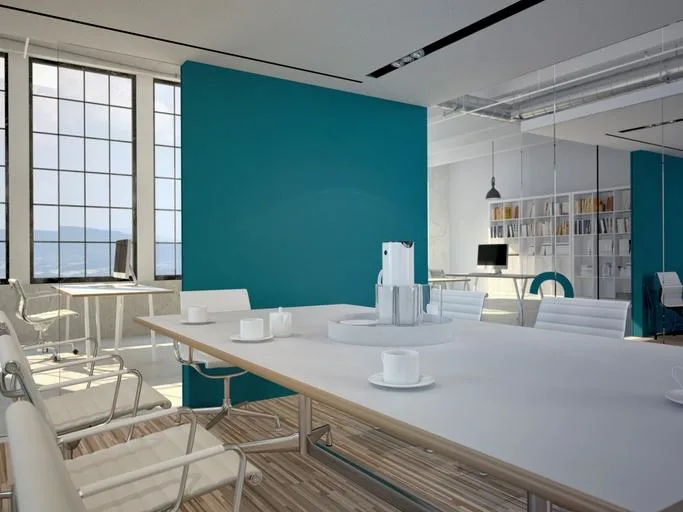
Paint can support a brand without covering every wall in bold color. Start with a calm base. Then use the main brand color at key viewing points. Reception walls and meeting rooms often suit this approach.
Digital colors rarely look identical on painted walls. Daylight can change their tone. Sheen and wall texture also affect the result. Nearby floors and furniture may shift how a color appears.
Test large samples before approval. View them during normal business hours. Check each sample under daylight and interior lighting. This step can prevent costly repainting.
Which Commercial Paint Finishes Handle Heavy Use?
Satin and semi-gloss finishes often suit areas needing regular cleaning. Yet room use should guide the final sheen. Surface condition and lighting also matter. Prevent anchor failure measures can also matter where wall-mounted fixtures or heavy items are used in busy commercial spaces.
| Finish | Appearance | Cleaning level | Common use |
| Flat | Very low shine | Light cleaning | Ceilings and quiet areas |
| Matte | Soft finish | Moderate cleaning | Offices and meeting rooms |
| Eggshell | Light sheen | Easier cleaning | Customer-facing rooms |
| Satin | Clear sheen | Good washability | Hallways and busy spaces |
| Semi gloss | Higher shine | Strong washability | Doors and trim |
Scuff-resistant coatings are useful in corridors and busy work areas. They can reduce visible marks from carts and chairs. Product choice still needs careful review. Some coatings resist cleaning better than others.
A higher sheen can reveal dents and rough patches. Side lighting can make those flaws clearer. Good surface repair and sanding remain part of any lasting finish.
Are Low VOC Paints Suitable for Commercial Spaces?
Low VOC coatings can reduce paint-related odor during application. They do not make every product harmless. They also do not suit every surface or work setting.
Check the product label and technical data sheet. Confirm surface fit and drying needs. Review cleaning limits and expected wear. The building plan should include ventilation during painting.
Low VOC options may help in offices and clinics. Schools and childcare spaces may also need them. Retail stores and occupied buildings can benefit from lower odor.
Low VOC and zero VOC labels are not full safety ratings. The United States Environmental Protection Agency notes that products can differ in emissions and performance. It advises buyers to consider the whole formula and required durability. Follow label guidance and keep fresh air moving during the work.
Do Murals and Accent Walls Still Work?
Murals and accent walls work when they support the room’s purpose. They fail when each surface fights for attention. One clear focal point usually gives a cleaner result.
Reception walls and retail displays are common choices. Restaurant seating areas can also use a feature wall. Offices may use murals in shared workrooms. A company history wall can add context without crowding every space.
Plan for repairs before choosing a detailed design. Complex art is harder to patch. It may also conflict with future signs or furniture. Businesses expecting a move or rebrand should use flexible graphics.
How Does Lighting Affect Commercial Paint Colors?
Lighting can change how a paint color looks across the day. Natural light often reveals the truest tone. Warm bulbs can make colors appear softer. Cool LEDs may make them feel sharper. Window glare and floor reflections also affect color. Strong spotlights can reveal wall patches, including areas needing drywall repair before painting.
Window glare and floor reflections also affect color. Strong spotlights can reveal wall patches. Glossy finishes may reflect overhead lights into screens or customer sightlines.
Review colors during normal operating hours. Place large samples on several walls. A small color card cannot show every shift. Check the sample near furniture and flooring before approval.
Which Trends Suit Different Types of Businesses?
No single trend suits every commercial space. The room’s purpose should lead the decision. Cleaning needs and customer traffic come next.
| Business type | Main need | Suitable direction | Main concern |
| Office | Focus and brand fit | Neutral base with brand accents | Screen glare and lighting |
| Retail store | Product visibility | Controlled contrast | Walls should not compete with products |
| Restaurant | Mood and cleaning | Warm colors with washable finishes | Grease and frequent cleaning |
| Clinic | Calm and clean look | Light colors with lower odor coatings | Ventilation and upkeep |
| Warehouse | Visibility and wear | Practical light colors | Surface damage and safety markings |
| Hotel | Guest comfort | Coordinated color zones | Frequent touch-ups |
| Property lobby | Strong arrival view | Durable feature wall | Heavy foot traffic |
Which Commercial Painting Trends May Age Poorly?
Use care with many bold colors. Full dark rooms may feel smaller under weak lighting. Large slogans can date the space. Complex patterns make touch-ups harder. Heavy texture also traps dust and hides poor repairs.
Glossy paint can look uneven on damaged walls. New coating claims also need proof. Review test data before choosing an unfamiliar product. Use removable graphics for campaigns. Keep permanent paint for lasting brand elements.
How Can Businesses Reduce Disruption During Painting?
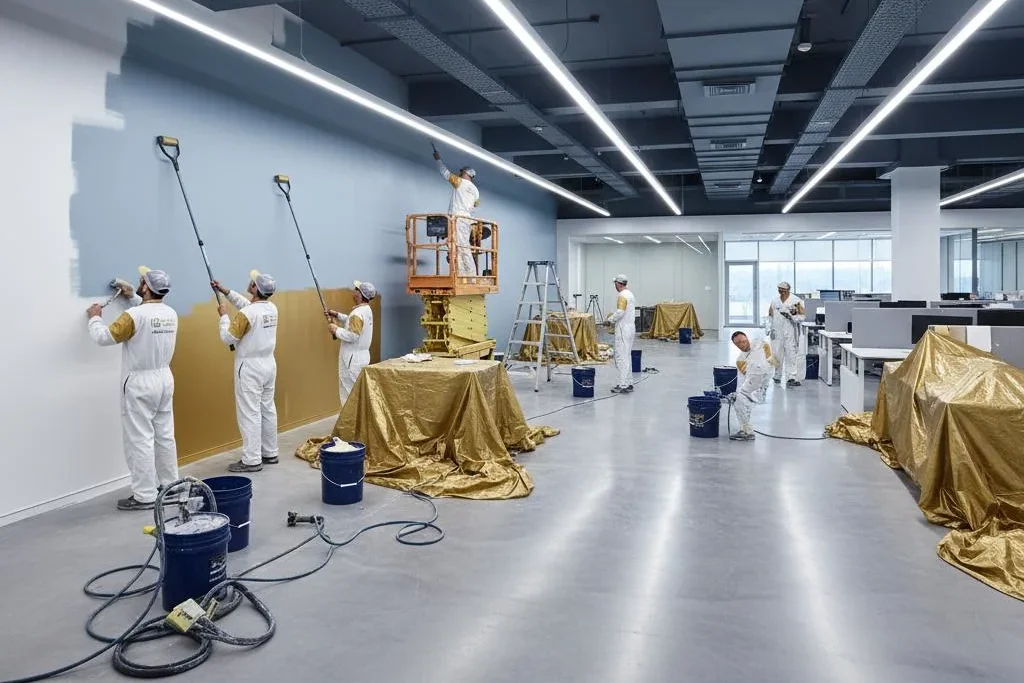
Phased work and clear scheduling can reduce business disruption. Good surface checks also prevent delays. Ventilation and access routes need planning before work starts. Businesses planning residential painting for connected living spaces should also account for furniture protection, access, drying time, and daily routines.
- Inspect every wall and ceiling.
- Find cracks and moisture concerns.
- Confirm repairs and primer needs.
- Move or protect furniture.
- Divide the property into work zones.
- Schedule work around staff and customers.
- Confirm drying and reopening times.
- Keep safe access routes open.
- Inspect each zone before reopening.
Evening or weekend work may suit some properties. It is not possible for every project. Large repairs may need extra drying time. Building rules can also limit work hours. A written schedule should explain each phase and access limit.
What Affects Commercial Painting Cost?
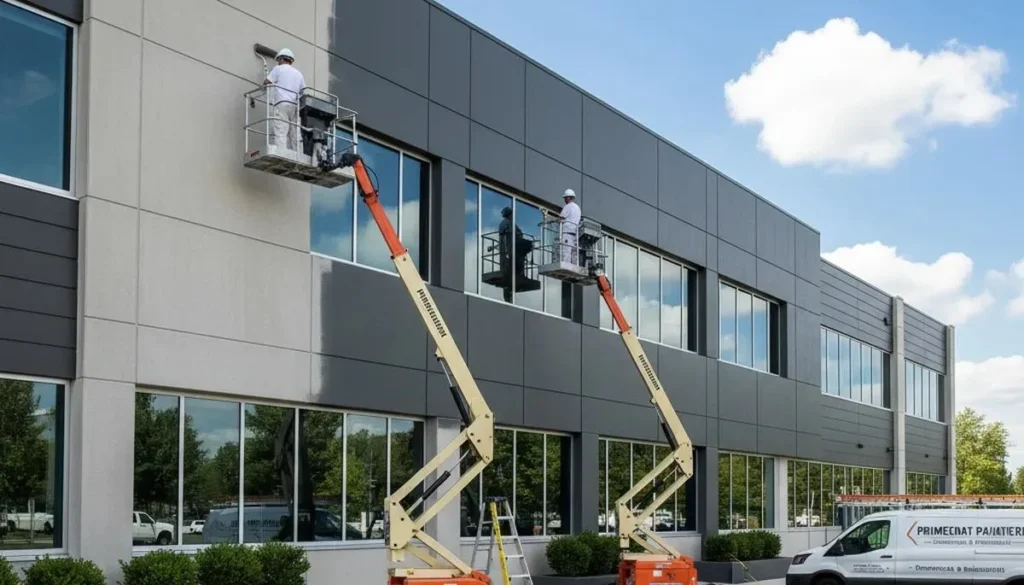
Commercial painting cost depends on the project scope and surface condition. Total wall area is only one factor. Ceiling height and access needs also affect labor.
Drywall repairs and primer add work. Multiple colors need more cutting and masking. Murals and detailed patterns require added design time. Coating type and sheen affect material needs. Furniture protection and lift access may also change the estimate.
Ask for a written estimate. It should separate preparation and materials. Painting and cleanup should appear as clear items. This makes contractor quotes easier to compare.
How Should You Choose a Commercial Painting Contractor?
Choose a contractor through the proposed process and written scope. A low quote gives little value when it leaves out needed repairs.
Ask how the team will inspect each surface. Confirm which cracks and patches are included. Request the exact coating and sheen for each room. Review photos from similar commercial work. Discuss floor and furniture protection.
Also, ask about dust and odor control. Review work hours and access limits. Verify business and insurance details. Read the warranty terms. Confirm who completes the final touch-ups. A clear scope should name materials and work phases. It should also explain the cleanup and final review.
What Should Denver Businesses Consider Before Painting?
Denver businesses should consider sunlight and changing weather. Strong daylight can alter how colors appear near windows. Exterior surfaces also face large temperature shifts. Each surface needs a coating made for its setting. Interior painting also needs careful planning because dry indoor air can affect drying and make surface flaws easier to notice.
Dry interior air can expose weak patches or moving joints. Moisture near entries can damage poorly prepared surfaces. Snow and street residue may mark lobby walls during winter. Washable coatings can help in these areas.
Commercial painting in Denver also needs a realistic work plan. Property rules may limit access and ventilation. Shared buildings may require notice before work begins. Confirm those needs before setting dates.
Conclusion
Useful commercial painting trends solve real property needs. They support the brand and make upkeep easier. Test colors under actual lighting. Match each finish with traffic and cleaning needs. Plan repairs and work phases before painting starts. Denver businesses can request a site assessment from Rockstar Painting. Ask for a written estimate that explains preparation and coatings.
FAQs:
The right colors depend on the business and room use. Brand identity and lighting also matter. Neutral bases suit many spaces. Controlled accents can guide attention without making the room feel crowded.
Satin and semi-gloss are often easier to clean. Yet high sheen can reveal wall flaws. Choose the finish based on expected wear and surface condition.
There is no fixed schedule for every property. Traffic and cleaning affect paint life. Coating quality and surface preparation also matter. Repaint when wear harms the appearance or surface protection.
Yes, in some cases. Phased work can keep parts of the property open. Ventilation and safe customer routes are still needed. Drying time may require temporary closures.
Some are durable. Performance depends on the exact coating and correct preparation. Review washability and surface fit. Do not judge durability from the VOC label alone