


A drywall anchor that starts to loosen does not always mean the wall needs a major repair. In many cases, the problem is simply that the original hole has become slightly larger over time, allowing the anchor to shift instead of gripping the drywall securely. The Wet N Fix drywall anchor can help prevent a drywall anchor from pulling out when the original hole is slightly enlarged, but the surrounding drywall remains firm. The activated repair disc fills the space around the wall plug and reduces movement. However, it cannot compensate for an overloaded fixture, badly damaged drywall, an unsuitable anchor, or repeated outward force.
Understanding why anchors fail is the key to choosing the right repair. This guide explains when Wet N Fix is an effective solution, when another repair method is more appropriate, and how proper installation helps create a stronger, longer-lasting hold.
Can Wet ‘n’ Fix Stop Anchor Pull-Out?
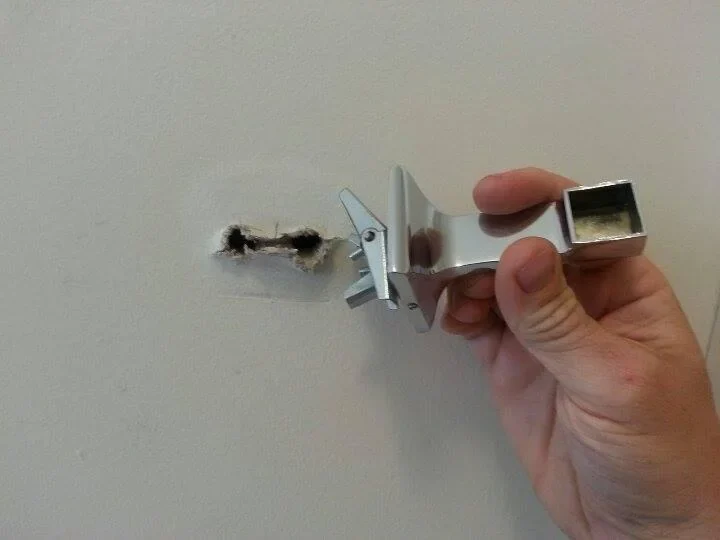
Wet N Fix drywall anchor repair can help prevent drywall anchors from pulling out in the right circumstances, but its effectiveness depends on the condition of the wall and the anchor. It may reduce pullout risk when the original hole is only slightly wider than the wall plug, the anchor rotates because it has lost firm side contact, the surrounding drywall is still intact. However, walls that require damaged drywall repair should be restored before relying on any anchor reinforcement.
Wet N Fix works by stabilizing the gap around the wall plug, helping it fit more securely. It does not become a wall stud, increase the anchor’s official load rating, rebuild severely damaged drywall, or make an unsuitable plastic anchor appropriate for every hollow-wall installation.
Why Anchors Begin Pulling Forward
Drywall anchor failure is usually caused by the way force is applied over time, not simply because the hole becomes loose. Understanding why drywall anchors pull out makes it easier to choose the right repair and avoid the same problem happening again.
The Hole Is Wider Than the Anchor
An anchor hole too big often develops because an oversized drill bit was used, the drill wandered during installation, the screw was removed and reinstalled several times, the anchor shifted under load, or the gypsum inside the hole became damaged. Plastic expansion plugs rely on close contact with the surrounding drywall before they can expand properly. When that contact is reduced, the anchor cannot grip the wall as intended.
The Fixture Pulls Away From the Wall
Some fixtures create outward force instead of simple downward weight. A floating shelf projects away from the wall, a curtain rod moves every time curtains are opened or closed, a towel rack is frequently pulled during use, a toilet-roll holder may be leaned on, and bags hanging from a coat hook repeatedly tug the anchor forward. These repeated forces can gradually loosen even a correctly installed anchor.
The Drywall Starts Crumbling
Once an anchor coming out of the wall begins to move, the surrounding gypsum can slowly break down into loose material. Each small movement enlarges the hole, reduces the anchor’s grip, and makes future pullout more likely unless the damaged area is properly repaired.
What Wet N Fix Adds Around the Plug
Rather than changing the anchor itself, how Wet N Fix drywall anchor works is by improving the contact between the wall plug and the surrounding drywall. The repair material fills small gaps that can allow movement, helping the anchor sit more securely when the surrounding drywall is still in good condition.
It packs the empty space.
Activated wall plug repair pads fit around the wall plug and fill minor gaps between the plug, the sides of the anchor hole, and small irregularities in the surrounding drywall. By reducing these empty spaces, the repair can help eliminate unwanted movement that develops when the original hole has become slightly oversized.
It Helps Resist Anchor Rotation
A wall plug that spins freely cannot expand properly as the screw is tightened. By packing the gap around the plug, the repair material may help keep it stationary, allowing the screw to engage the anchor more effectively and reducing the chance of further movement.
It re-centers the wall plug
If a wall plug sits at an angle, pressure is applied unevenly against the drywall. The repair material may help reposition the plug more consistently, creating a straighter installation before the screw is fully tightened.
It Hardens Around the Fixing
As the repair material cures, it forms firmer contact between the drywall and the wall plug. This can help stabilize loose anchor installations where minor movement was caused by small gaps rather than major wall damage. A properly prepared surface is equally important before applying a pull trowel texture to achieve a durable finish.
Simple Process
Loose hole → Wrapped plug → Packed gap → Stable position → Screw engagement
Pullout Forces Wet N Fix Can Reduce
Drywall anchors are affected by more than just weight. Small movements during installation and everyday use can gradually reduce their grip. Improving anchor pullout resistance starts with limiting unnecessary movement around the wall plug, provided the anchor, drywall, and fixture are all suitable for the application.
Rotation During Screw Installation
Wet N Fix may help when the anchor starts rotating as the screw is tightened. Reducing this movement can allow the wall plug to expand more consistently against the surrounding drywall instead of spinning inside the hole.
Movement Inside an Oversized Hole
A wall plug that shifts from side to side cannot distribute the fixture’s load evenly. During a loose wall fixture repair, filling minor gaps around the plug may improve contact with the drywall and help keep the anchor in a more stable position.
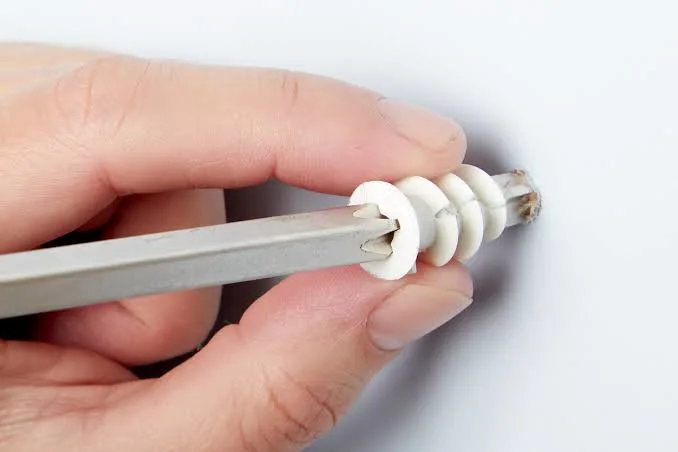
Minor Outward Pressure
For lightweight fixtures that create limited outward force, the repaired gap may provide additional stability by reducing movement around the anchor. This is most effective when the original hole is only slightly enlarged, and the surrounding drywall remains sound.
Loosening From Normal Repeated Use
Everyday items such as light curtain rails, small towel holders, toilet paper holders, wall hooks, and lightweight brackets can loosen over time because repeated use applies small forces to the anchor. Wet N Fix may help stop anchor movement caused by minor play around the wall plug, but regular use still places stress on the fixing.
Expert note: The repair can reduce movement around the wall plug, but the anchor and drywall must still resist the fixture’s actual load.
Failures, Wet N Fix cannot prevent
Understanding Wet N Fix drywall anchor limitations helps ensure the right repair is chosen for the right situation. The product can improve stability around a slightly enlarged anchor hole, but it is not designed to solve every wall-fixing problem or replace proper installation methods.
The Fixture Is Too Heavy
Wet N Fix should not be treated as a substitute for wall studs, internal wood blocking, heavy-duty toggle anchors, or other forms of proper structural support. When heavy fixture mounting is required, the fixing method must match the weight and forces the item will place on the wall.
The Wrong Anchor Was Selected
Even a well-repaired hole cannot correct an unsuitable anchor. Common examples include using a masonry wall plug in hollow drywall, installing a light plastic anchor for a large shelf, choosing an anchor that does not match the wall thickness, or pairing an anchor with a screw that is too large or too small for proper expansion.
The Drywall Is Already Destroyed
A repair disc alone is not appropriate when a damaged drywall anchor is surrounded by badly torn face paper, a large crater, loose gypsum, wall flexing, or spreading cracks around the fixing point. These conditions usually require a more extensive wall repair before a new anchor can be installed safely.
The Wall Has Moisture Damage
Soft, swollen, stained, or powdery drywall has lost much of its structural integrity. Before installing any anchor, the source of moisture should be identified and the damaged wall properly repaired to provide a stable surface for future fixings.
Check the Wall Before Reinforcing It
Before repairing a loose anchor, spend a few minutes assessing the wall itself. A quick inspection helps determine whether the problem is a slightly enlarged hole or a condition that requires a different repair. Taking time to inspect drywall anchor hole conditions can prevent repeated failures and unnecessary damage.
Test the Drywall Around the Hole
Check that the surface feels firm around the entire opening. The drywall paper should remain intact, with no spreading cracks, movement when lightly pressed, or ongoing crumbling around the fixing point.
Look Inside the Anchor Hole
Examine the opening for loose gypsum dust, large missing sections, an irregular internal crater, signs of old filler, or multiple overlapping holes. These are common indicators of a damaged anchor hole that may need more than a simple reinforcement.
Check for moisture.
Watch for brown or yellow stains, soft drywall, swollen paint, mold-like discoloration, or recurring dampness. Moisture damage weakens the wall and should be addressed before installing another anchor.
Identify the Wall Construction
Determine whether the fixing enters hollow drywall, drywall over masonry, plaster, brick or concrete, or wood framing. The best repair method depends on the wall substrate behind the visible surface, not just the appearance of the hole itself. Exterior wood structures, on the other hand, require maintenance such as deck staining services rather than wall anchor repairs.
Match the Fix to Fixture Movement
The weight of a fixture is only part of the equation. How people use it every day often has a greater effect on anchor performance. A repair that works well for a lightweight picture may not be appropriate for a fixture that is repeatedly pulled, twisted, or subjected to impact. Understanding fixture movement helps you choose a repair that matches real-world use.
| Fixture | Main Force | Wet N Fix Suitability |
| Small picture | Mostly downward | Often suitable |
| Light wall hook | Downward and occasional pull | Possible after inspection |
| Curtain rail | Repeated side movement | Use caution |
| Towel rack | Repeated outward pulling | Use caution |
| Toilet-roll holder | Vibration and leverage | Depends on the wall condition |
| Floating shelf | Downward load and leverage | A stronger anchor may be needed |
| Heavy mirror | Significant static load | Use rated hardware |
| Handrail | Safety and dynamic force | Use structural support |
| Baby gate | Repeated safety-critical force | Use studs or blocking |
Different fixtures place different forces on the wall. A static load remains largely unchanged, such as a mounted mirror that stays in one position. A downward load acts vertically under the fixture’s weight, while an outward pull places leverage on the anchor, as seen during towel rack anchor repair. Repeated movement, such as a curtain rod anchor pulling out after frequent opening and closing, gradually loosens fixings over time. Shock or impact creates sudden forces that ordinary drywall anchors are not designed to withstand, making structural support the safer solution.
How Installation Affects Future Hold
Even the best repair cannot compensate for poor installation. A secure drywall anchor installation depends on selecting compatible components, installing them correctly, and avoiding practices that weaken the fixing before it is ever used.
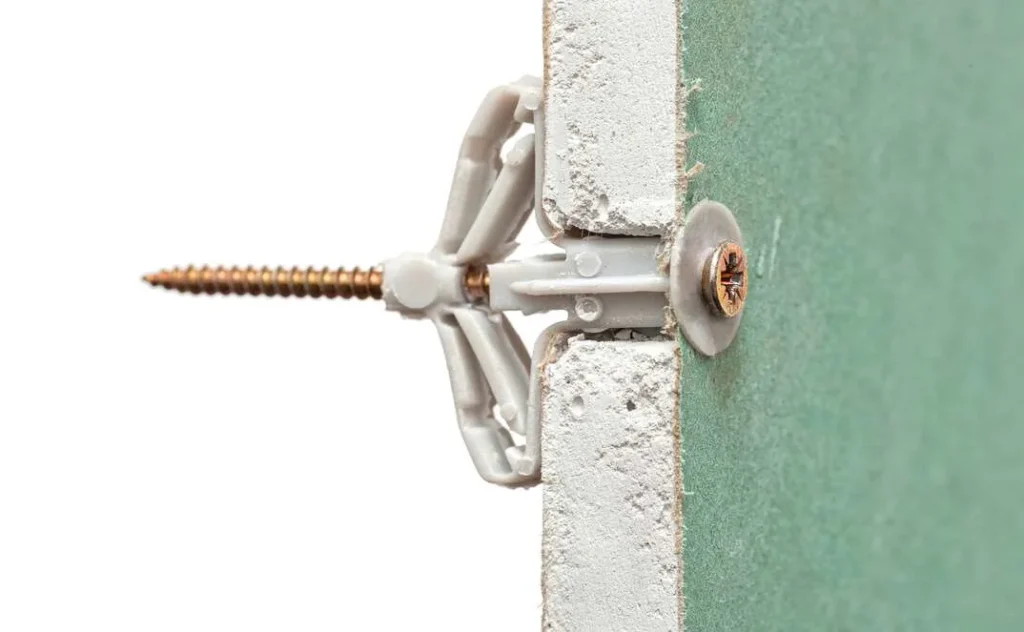
Use the Correct Wall Plug
Choose a wall plug that matches the wall material, hole diameter, wall thickness, fixture requirements, and screw size. An anchor designed for the wrong application cannot perform as intended, regardless of the repair method used.
Match the Screw to the Plug
Using the correct screw for the wall plug is essential. A screw that is too narrow may not expand the plug enough to create a firm grip, while one that is too wide can split the plug or damage it during installation.
Use Enough Screw Length
The screw should engage a sufficient length of the wall plug to activate its holding action without bottoming out against an obstruction that could push the plug outward.
Avoid Overtightening
Tighten the screw only until the fixture is secure and sits flat against the wall. Excessive torque can prevent anchor spinning only temporarily before causing new problems, including rotating the plug, crushing the surrounding gypsum, stripping the anchor, or reopening the repaired gap.
Let the Repair Set Properly
Always allow the repair material to cure according to the current product instructions before tightening the screw or placing any load on the fixture. Proper curing gives the repair the best opportunity to perform as intended.
Wet ‘n’ Fix vs Stronger Anchor Systems
Choosing the best anchor repair depends on identifying the real cause of the failure. If the problem is a slightly enlarged hole around an otherwise suitable anchor, stabilizing the existing fixing may be enough. If the anchor itself is undersized, incompatible with the wall, or carrying more load than it was designed for, a stronger fastening system is usually the better solution.
| Method | Best Use | Main Limitation |
| Wet N Fix | Loose plug in a moderately enlarged hole | Does not increase anchor rating |
| Larger plug | Clean a hole in a suitable solid material | Can enlarge damage |
| Screw-in anchor | Selected lightweight drywall uses | Can damage weak gypsum |
| Molly bolt | Suitable hollow-wall fixtures | Needs correct wall thickness |
| Toggle bolt | Greater support behind intact drywall | Requires a larger opening |
| Snap toggle | Strong hollow-wall mounting | Costs more than basic plugs |
| Wall stud | Heavy or important fixtures | Position may not align |
| Wood blocking | Repeated or safety-critical loads | Requires opening and repairing the wall |
| Drywall patch | Torn or missing wall material | Needs finishing and repainting |
Choose Wet N Fix When
Wet N Fix is most appropriate when the hole has become slightly oversized, but the drywall remains firm, the existing anchor is suitable for the fixture, and hole movement, not anchor selection or excessive load, is the primary cause of loosening.
Choose a New Anchor System When
A different fixing method is the better option when the original anchor is unsuitable for the wall material, undersized for the fixture, or expected to support heavier or repeated loads. In a Wet N Fix vs. toggle bolt comparison, a toggle bolt or another stronger drywall anchor is generally the safer choice when additional holding strength is required rather than simple hole stabilization. This same focus on selecting the correct solution is one reason rockstar painting standout emphasizes proper preparation before finishing work.
Warning Signs the Repair Is Losing Grip
Recognizing signs that a drywall anchor is failing early can help prevent damage to the wall and reduce the risk of a fixture falling unexpectedly. Small changes often appear before a complete failure, giving you an opportunity to inspect the fixing and choose a safer repair.
Watch for a visible gap behind the wall bracket, a screw head that moves when touched, an anchor rotating during tightening, fine drywall dust collecting below the fixture, paint cracking around the hole, clicking or grinding sounds inside the wall, a curtain rail beginning to sag, a towel rack moving during normal use, a shelf tilting away from the wall, the plug collar lifting from the surface, repair material breaking away, or the same hole repeatedly loosening. These loose anchor warning signs suggest that the fixing is no longer performing as intended.
If you notice a wall bracket pulling away, remove the fixture’s load as soon as it is safe to do so, support the item to prevent it from falling, stop tightening the screw, inspect the surrounding wall for damage, replace any worn or unsuitable hardware, and upgrade to a more appropriate fixing method if the existing anchor or wall condition can no longer safely support the fixture.
When to Patch, Block, or Find a Stud
Not every loose anchor can be solved with the same repair. As wall damage or fixture demands increase, the solution should also become more robust. Choosing the correct approach helps create a longer-lasting and safer installation.
Patch the Drywall
A proper patch-pulled-out anchor hole repair is the best option when the hole is badly torn, drywall material is missing, several holes overlap, the surface can no longer hold a wall plug, or the face paper has separated from the gypsum. Restoring the wall first provides a sound base for future fixings. The preparation stage is also comparable to the work completed before popcorn ceiling removal and repainting.
Add Wood Blocking
Drywall blocking is a practical choice when the same fixture needs to return to the same location, repeated force is expected, multiple screws require solid backing, the fixture is safety-related, or the wall is already being opened for repair.
Mount Into a Stud
Whenever possible, mount into wall stud framing for heavy shelves, large mirrors, cabinets, handrails, safety gates, articulating brackets, and other frequently used fixtures. Before drilling deeper into the wall or opening it for repairs, always consider the possible location of electrical wiring and plumbing to avoid accidental damage. Following these best practices can also improve the commercial painting business impact by reducing callbacks and ensuring long-lasting workmanship.
Final Verdict: Repair or Upgrade?
Wet N Fix drywall anchor may help prevent pullout when the surrounding drywall remains firm, the hole is only moderately enlarged, and the existing anchor system is appropriate for the fixture and its intended use. Rockstar Painting consider upgrading the repair instead when the fixture is heavy, the wall is torn or moisture-damaged, the anchor type is unsuitable, the item is subjected to repeated outward force, or the fixing has already failed more than once.
When a pulled-out anchor has fractured or weakened the surrounding wall, Rockstar Painting can provide professional drywall repair in Denver, restore the damaged section, match the existing texture, and prepare it for a clean painted finish.
Wet N Fix Pullout Prevention FAQs
The Wet N Fix drywall anchor can improve stability by filling small gaps around a suitable wall plug, helping reduce unwanted movement in a slightly enlarged hole. It does not increase the anchor manufacturer’s load rating or convert a light-duty anchor into one designed for heavier applications.
It may help when a plastic anchor becomes loose because the hole has moderately enlarged while the surrounding drywall remains firm. Replace the plug instead if it is split, bent, stripped, worn, or not designed for use in hollow drywall.
Yes, in some cases. The original location may be reused when the surrounding drywall is still solid, the repaired hole provides adequate support, and the anchor and fixture remain suitable for the intended load and everyday use.
Possibly, if the curtain rod is lightweight and the wall, anchor, and repaired hole are all in good condition. Keep in mind that repeatedly opening and closing curtains creates side-to-side movement that places additional stress on the fixing over time.
Wet N Fix may stabilize a towel rack when the problem is limited to a slightly enlarged anchor hole. If people regularly pull, lean, or place significant force on the rack, a toggle anchor, wood blocking, or mounting into a stud may provide a more appropriate solution.