


An old deck can lose its charm after years of sun and rain. Faded boards can make the whole yard look tired. Peeling spots can also make the deck feel hard to use. Good decking paint can give the wood a fresh look. The right color can also help the deck fit your home.
Still, you need more than a nice color for a good result. The wood must be clean and dry before you paint. You also need the right paint for outdoor use. Good deck paint ideas should match the wood and local weather. Now let’s look at the steps that help create a strong finish.
Decide Whether Paint Fits Your Deck Before Starting
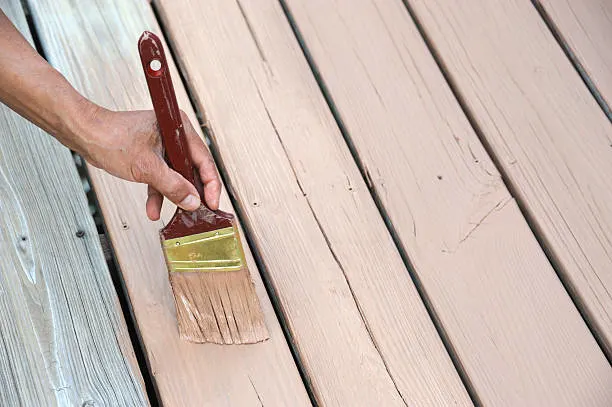
Paint can work well when you want a solid color. It can cover old marks and give worn boards a fresh look. Still, paint may not suit every deck. Check the wood age and board condition first. A sound deck gives exterior deck paint a better base and can make deck staining services a useful alternative when you want protection while keeping more of the wood’s natural appearance.
Look at the old coating before choosing the best decking paint. Loose paint must be removed before new paint goes on. Wet wood also needs time to dry. Check the product label for outdoor use on walking areas. A sound deck gives exterior deck paint a better base.
Paint or Stain? Choose the Finish That Fits
Paint and stain can both protect and change the look of wood. Your choice should depend on the deck condition and the look you want. Paint gives a solid color. Stain often lets more wood grain show through. Think about future care before making your choice. Deck paint may need scraping before a new coat. Stain may wear in a different way. The right decking paint can work well when the wood is stable and well prepared. If you are comparing finishes, choose deck staining based on the appearance, maintenance needs, and condition of your existing wood.
Think about future care before making your choice. Deck paint may need scraping before a new coat. Stain may wear in a different way. The right decking paint can work well when the wood is stable and well prepared.
| Consideration | Deck Paint | Deck Stain |
| Appearance | Gives a solid finish | Shows more wood grain |
| Color range | Creates strong color changes | Often uses natural tones |
| Preparation | Needs careful prep | Still needs good prep |
| Wear | Can peel with heavy use | Often wears more slowly |
| Maintenance | May need scraping first | Often allows easier recoating |
| Best suited for | A solid color look | A natural wood look |
If you want a bold change, then paint may suit your deck. If you want wood grain, then stain may work better. Deck painting ideas should also match the amount of care you want later. Always check the coating label before you start.
Look Beyond Color When Choosing Deck Coating
Color is only one part of choosing a deck coating. Look for strong adhesion and good wear resistance. Outdoor wood faces sun, rain, and foot traffic. The coating should suit these demands. Check if the product is made for horizontal walking areas.
Some exterior paints are made for walls and trim. They may not work well on deck floors. Look for weather-resistant deck paint made for outdoor use. Also check the finish and slip needs. Product labels can help you avoid a poor match.
Choose Deck Colors That Work With Your Home
The right color can make the deck feel part of the home. Light shades can keep the area bright. Midtones can hide some dirt and wear. Dark shades can give a bold look but may show dust. Test the color on a small area first. Check it in morning and evening light. This simple step can prevent a costly color change and help you choose exterior colors that complement the surrounding design.
Look at the siding trim and nearby plants before choosing. Your deck paint colors should not fight with these parts. Test the color on a small area first. Check it in morning and evening light. This simple step can prevent a costly color change.

Check the Wood Before Applying Any New Finish
Walk across the deck and check each board first. Look for rot, cracks, splinters, and loose boards. Check for raised nails or screws as well. Peeling old paint should also be removed. These issues can cause the new finish to fail.
Wood deck preparation starts with fixing weak areas. Replace boards that feel soft or badly damaged. Do not cover rotten wood with paint. Check for mold stains and damp spots too. Good deck surface preparation helps the new coating stay firm.
Get the Surface Ready for a Long-Lasting Finish
Start by cleaning the deck and removing dirt from each board. Remove loose paint with a scraper where needed. Sand rough areas and sharp edges with care. Let the wood dry fully before adding any new coating. Do not rush this stage. Deck cleaning before painting can remove grime and old surface debris. You may not need to sand every sound board. Focus on rough spots and loose coatings. Repair damaged wood before painting. Good wood deck preparation gives the finish a clean base and supports deck staining provide when protecting outdoor wood from everyday exposure.
Deck cleaning before painting can remove grime and old surface debris. You may not need to sand every sound board. Focus on rough spots and loose coatings. Repair damaged wood before painting. Good wood deck preparation gives the finish a clean base.
Follow This Step-by-Step Painting Process Carefully
Good painting starts before the first coat goes on. Each step helps the finish stay smooth and firm. Now let’s look at the full process from start to finish.
Clean and Prepare Every Exposed Deck Surface
Clean every board and remove loose dirt first. Use a deck-safe cleaner when needed. Remove old peeling paint from weak areas. Let the surface dry fully before moving on. Good DIY deck painting starts with clean wood. Check each board again after cleaning. This helps you find spots that need more work.
Scrape and Sand Areas That Need Extra Attention
Scrape loose paint and rough areas with care. Sand splinters and sharp edges until they feel smooth. Do not sand sound wood more than needed. Remove all dust after sanding. Good deck painting techniques focus on problem areas first. This saves time and keeps the wood surface in good shape.
Repair and Prime Bare or Problem Areas
Replace damaged boards before applying paint. Fill suitable small defects when the product allows it. Spot prime bare wood when the paint system calls for primer. A deck primer can help with adhesion and even coverage. Always check the paint label first. Some paint systems may not need a separate primer.
Apply the First Coat With Consistent Coverage
Use a brush roller or approved tool for the product. Work across a small area at a time. Keep the coat even without leaving thick pools. Follow the stated spread rate on the label. Exterior deck paint needs steady coverage for a clean finish. Avoid painting over areas that have started to dry.
Allow Proper Drying Before the Next Coat
Let the first coat dry for the time shown on the label. Weather can change drying time in outdoor areas. High moisture can slow the process. Strong heat can also affect the coating. Do not add the next coat too soon. Give the deck enough time before walking on it.
Apply the Final Coat and Inspect the Finish
Apply the last coat with even coverage across the deck. Check board edges and areas near steps. Look for thin spots or missed sections before the paint sets. Let the full finish dry as directed. Check the deck before moving furniture back. This final check can catch small flaws early.
Know When Primer Makes the Deck Paint Perform Better

Primer can help paint bond to some bare or weak surfaces. It can also help create a more even base. Bare wood and some stains may need special prep first. Knots can also need spot treatment before the main coat. The right deck primer depends on the paint system.
Not every deck needs a separate primer coat. Some products are made to work without one. Always follow the product guide for the chosen coating. Exterior wood paint should match the surface and the planned finish. Using the wrong primer can create more work later.
Create a Safer Finish for Busy Walking Areas
Deck floors need more care than rails and trim. People walk across them in wet and dry weather. Smooth finishes can become harder to walk on when wet. Look for a coating made for outdoor floors. Check if it offers suitable slip resistance for your deck.
Pay close attention to stairs and areas near water. Outdoor deck paint should suit the full use of the space. A textured finish may help in some settings. Still, it must remain easy to clean. Balance the look with daily use and safety.
Use These Techniques for a More Even Finish
Work with the board direction when the product allows it. Keep each area small enough to stay wet while you work. This helps reduce overlap marks. Avoid leaving thick paint in board gaps. Too much paint can crack or peel as it ages.
Weather can also affect your work. Strong sun can dry paint too fast. Damp air can slow drying. Good deck painting techniques include checking the weather first. Use a brush for tight spots and a roller where suitable. Keep floor work separate from rails when needed.
Avoid These Common Deck Painting Mistakes
A clean finish often depends on what you avoid. Small mistakes can lead to peeling and uneven color. Take time with each stage. These steps can help protect your work and reduce extra repairs.
- Painting damp wood: Moisture can weaken the bond. Let the deck dry first.
- Leaving loose paint: New paint may peel with the old coat. Scrape weak areas.
- Skipping prep: Dirt can block good paint contact. Clean the boards first.
- Using wall paint: Wall paint may not suit walking areas. Choose a deck coating.
- Applying thick coats: Thick paint can crack or dry poorly. Follow the label.
- Ignoring weather: Rain can damage fresh paint. Check the forecast before work.
- Skipping primer: Bare areas may need better bond support. Use deck primer when required.
- Moving furniture too soon: Fresh paint can mark or peel. Wait for full cure.
Good deck surface preparation often matters more than rushing toward color. Follow the product guide at every stage. Give each coat enough time to dry. These simple habits can help the finish last longer.
Keep Painted Decking Looking Good Between Re-Coats
Clean the deck often to remove dirt and plant debris. Check for peeling areas during each clean. Look closely at steps and busy walking spots. These areas may wear sooner than quiet parts of the deck. Small issues are easier to fix early. Good deck paint maintenance can reduce larger repair work later. Keep water from sitting on the deck for long periods. Clear leaves from gaps and drains. Touch up worn areas when the coating allows it. Repainting wooden decking becomes easier when the surface stays in good shape and follows a deck staining maintenance approach suited to the wood and outdoor conditions.
Good deck paint maintenance can reduce larger repair work later. Keep water from sitting on the deck for long periods. Clear leaves from gaps and drains. Touch up worn areas when the coating allows it. Repainting wooden decking becomes easier when the surface stays in good shape.
Know When It Is Time to Repaint the Deck
Look for fading, peeling, and cracks in the coating. Exposed wood is another clear sign. Busy walking areas may also look worn before other parts. Check steps and entry points often. These spots get more use than most boards.
There is no single repaint time for every deck. Sun, rain, foot traffic, and climate all affect the finish. Good deck paint maintenance can help extend its useful life. When the coating fails in many areas, then repainting may be due. Proper prep should come before the next coat.
Final Thoughts on Choosing a Finish That Lasts
A lasting deck finish starts with the wood itself. Check the boards before choosing a coating or color. Rockstar Painting can help prepare and refresh the surface with an approach suited to the deck’s condition and outdoor use. Clean and repair the surface before painting. Then use a product made for outdoor walking areas. The best decking paint should suit both the wood and its daily use.
Think about color safety, weather, and future care before you begin. Test your chosen deck paint colors on a small spot first. Follow each drying time and coat guide. Good deck paint maintenance can also extend the finish. If the boards are badly damaged, then repair them before painting.
FAQs About Painting Wooden Decking
Choose paint made for exterior wood floors and deck use. Check the label for walking surfaces and weather exposure. The product should also suit your wood type and old coating.
No. Some paint systems work without a separate primer. Bare wood or problem areas may need one. Always follow the paint maker’s guide for the chosen product.
Most deck paints need more than one coat. The exact number depends on the product and wood. Follow the stated coat guide and drying time for the best result.
Yes. The old finish must be stable first. Remove loose coating and clean the surface. Sand rough areas as needed. Then follow the new paint system guide.
Drying time varies by product and weather. Check the label before using the deck. Rain, heat, and high moisture can change drying times. A full cure may take longer.