


Fresh paint can lift your home and shape a new, warm mood. Many people feel lost when they try to pick strong outdoor tones. The task feels huge, and the wrong pick can harm the full look. You may ask how to choose the ideal colors for house exterior painting, and still feel unsure after hours of searching.
Light, sun, dry air, and strong shade all shift how paint looks. Your home style also shapes which tones feel warm, clean, or bold. One wrong step can make the whole space feel off. This turns a fun plan into stress. You need a clear path that fits your home’s light and local style.
The good news is that the right approach makes this task simple. Testing tones, following clear rules, and doing a few small checks around your home can give you the confidence you need. You can shape a warm, clean, and lasting look without stress. This guide for choosing the right color shows how to pick ideal shades for your house exterior with easy steps that fit any style of home.
Understanding How Exterior Color Choices Influence Curb Appeal
Color picks shape curb appeal in clear ways that most people miss. A strong tone builds a warm first impression and guides the full look of the home. Light or bold shades shift exterior aesthetics and help you form visual balance that feels real and neat. These choices shape how the street views your home each day.
Colors influence how people read a home’s size and shape. Light tones can make walls feel wider and taller in bright sun, while deeper shades add calm weight and create a strong, grounded presence in softer light. Mid-tones balance both moods and deliver a steady, clean look. Each color guides how your home speaks to the eye, which is why tone selection is such an important part of professional exterior painting.
Good color work can lift the full mood of your space with no stress. It can hide small weak spots and guide strength toward doors or trim. It can shape a fair sense of value when people view your home from the road. Clear, simple steps help you test each tone in real light and find the one that fits your home style with ease.
Learn the Basics: Color Theory for Exterior House Painting
How to Identify Undertones on Siding Stucco or Brick
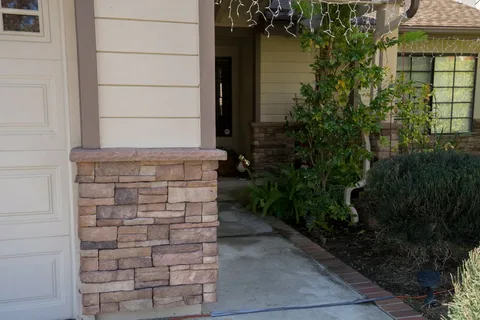
Color theory helps you pick tones that fit your home with real ease. Each shade holds small undertones that shape the full mood. Warm vs cool palettes guide how your home feels from the street. Chroma levels show how bright or soft a tone stands. A fair contrast ratio helps each part of the home work as one calm whole.
You can test undertones with simple steps. Hold a plain white card near siding, stucco, or brick. Watch how the shade shifts in the sun or the shade. Warm undertones show soft gold or mild red. Cool undertones show soft blue or mild green. These tests help you pick tones that blend with your wall face and keep a smooth look.
Why Exterior Tones React Differently Outdoors vs Indoors
Outdoor tones shift more than indoor tones. Strong sun can wash pale shades. Shade can make deep tones seem heavy. Dry air across Denver can change how bright paint looks. Indoor spaces hold stable light, so tones stay even. Outdoor light moves from dawn to dark, so shades shift each hour. This is why small test spots help you see true color. Real light tests guide you toward smart picks that stay steady in all seasons.
Match Colors With Your Home’s Architectural Style
Your home style guides the best color path. A strong pick starts with a clear look at your roof lines, trim shape, and build age. A traditional design palette works well for colonial homes with soft, warm shades that feel calm and classic. Modern exterior tones lean toward bold, deep shades and clean, light walls. These tones fit homes with sharp lines and wide glass.
Craftsman homes look great with rich Craftsman colors that hold earth tones and soft greens. Farmhouse homes shine with bright white and soft gray. Victorian homes carry deep, rich tones that match tall trim and wide porch lines. Ranch homes work well with warm browns and soft mid-tones that shape a smooth, low look.

Each style holds its own mood. The right shade lifts that mood with ease. Test tones near trim and doors to find the best match. This simple step helps you build a strong, clean look that fits your home style.
Evaluate the Fixed Elements You Cannot Change.
How to Build a Palette Around Roof Stone and Metalwork

Your roof color sets the base tone for your whole home. Stone veneer undertones brick hues and metal parts all shape the final look. These fixed parts guide your shade picks. A warm roof tone pairs well with soft earth shades. A cool roof tone works with light gray or soft blue. Landscaping tone and driveway shade also guide your plan. These parts form a frame that helps you shape a smooth, clean palette.
What Colors Clash With Brick Stone or Terracotta Roofs
Brick walls hold strong hues that can fight bold paint picks. Deep red brick may clash with bright blue or sharp green. Stone walls with mixed hues can fight pure bright tones. Terracotta roofs do not blend well with cool gray or soft blue.
Warm, soft shades fit these roofs far better. Test each shade near the wall to see real tone shifts. This helps you pick colors that blend with fixed parts and avoid harsh clashes. A clear view of these fixed elements keeps your plan safe. This step gives you a strong base for smart outdoor color picks.
Consider the Climate and Natural Lighting in Your Region
How High Altitude Climates Affect Paint Fading
Sun exposure stays strong in high places like Denver. This bright light pushes hard on paint and causes faster fade. LRV or Light Reflectance Value helps you pick tones that hold well in this light. High LRV tones bounce more light and fade slow. Low LRV tones soak light and fade fast. Fading resistance becomes a key part of smart color picks for homes in high-sun areas.
Hot vs Cold Climate Color Behavior
Heat lifts bright tones and makes pale walls look warm. Cold air softens bold tones and can make deep shades feel heavy. Warm shades feel calm in cold places. Cool shades feel fresh in hot places. A clear view of your local temps helps you pick colors that stay steady in all seasons. This gives your home a smooth look with no odd shifts.
How Natural Light Changes Color Tone During the Day
Natural light shifts tone from sunrise to sunset. Morning light feels soft and cool. Midday light feels sharp and bright. Evening light adds a warm glow. Each shift changes how paint looks. A test spot on your wall helps you see real tone changes through the day. This step guides you toward tones that stay true and hold their feel for every hour.
Align the Color Scheme With Your Neighborhood’s Palette Without Copying
How to Avoid Colors That Clash With Surrounding Homes
Your street holds a shared mood that shapes how each home feels. Strong colors that fight this mood can hurt curb appeal. Look at the roof tone, wall shade, and trim style on nearby homes. This gives you a guide for safe picks. Soft mid-tones blend well in most areas and keep neighborhood continuity. This helps you fit the shared style in a clean, calm way.
When to Blend vs When to Stand Out Tastefully
You can blend when your area holds clear rules or HOA compliance needs. Blend with soft tones that match local paths and still lift your home. You can stand out when rules allow a bit more style. Use one bold shade on the door or trim and keep the main tone soft. This keeps your home neat and still adds a light touch of flair. The goal is to stay true to regional color trends while building a warm look that fits your space.
Trends vs Timeless Colors: Which One Should You Choose
Today’s Top Exterior Color Trends
Many homes now lean toward muted greens, soft blacks, and warm greige. These trending exterior palettes give a calm, fresh mood. Earthy neutrals also grow strong in many areas. These tones feel warm and steady and work well in sharp sun or soft shade. Trends can lift curb appeal fast, yet some trends fade with time.

Colors Proven to Stay Timeless for Resale Value
Evergreen neutrals hold strong value for long years. Soft white, warm beige, and light gray stay safe for many styles. These tones bring design longevity and fit both old and new homes. They help buyers see a clean, neat space with no strong push in any direction. This makes them top picks for resale plans.
Use Color Preview Technology Before Finalizing Your Choice
Best Apps for Clear Color Tests
Digital visualization tools help you see real shade results before you paint. These apps give render previews that show how tones look on real walls. A virtual paint simulator lets you test many shades with no work. Sherwin-Williams ColorSnap gives smooth tests with fast swaps. Benjamin Moore Color Viewer shows strong detail for trim and doors. Home Depot ProjectColor offers quick picks that guide safe tone steps.
Uploading Real House Photos for Accurate Previews
You can upload clear photos of your home to these tools. This gives a true view of how each tone reacts with your roof lines and yard light. You see how warm or cool shades shift in the sun and shade. This helps you avoid tones that feel wrong on full walls. These previews build calm and steady choices with no paint waste. Color tests save time and stress. They help you shape a warm, clean look that fits your home.
Factor in Paint Durability and Quality Before Choosing a Color
How Darker vs Lighter Colors Age Differently
Durability shapes how long your home keeps its fresh look. Dark shades soak more heat and face strong sun pressure. This can cause a fast fade in high sun areas. Light shades reflect more sunlight and hold their tone for long years. UV resistance plays a key role here. Fade-resistant pigments help both light and dark tones stay steady through each season.
Why Quality Paint Matters More Than the Color Itself
High-grade paint protects your home more than any shade can. Strong coats use moisture block coating that helps walls fight wet air and cold nights. Quality paint holds firm on wood, stucco, and brick. It keeps the tone clear and stops early wear. A good coat with strong tools builds a safe base for any color plan. This makes paint grade a key part of all tone picks.
Is Your Home’s Exterior Ready for a Color Refresh
Checklist Before Choosing Colors
Your home needs strong prep work before any color pick. Start with a full surface condition assessment. Look for soft spots, chips, or weak paint. Check siding repair needs and note any loose boards. Pressure washing clears dirt, mold, and old dust. This gives you a clean face for fair tone tests. A smooth base helps each test show true color in real light.
When Repainting Becomes Essential vs Optional
Repainting becomes essential when the coat starts to peel or fade quickly. Deep cracks and weak spots show a clear need for new paint. Old wood that shows dry lines also needs a fresh coat. These signs mean tone picks come after repair steps. Repainting becomes optional when the coat still holds firm. You may only want a new feel or warm change. In this case, the color refresh is a style choice, not a must. A clear view of these signs helps you plan a safe, clean update.
Other Exterior Services That Enhance Your Color Plan
Power Washing
Power washing clears old dirt, mold, and dust from your walls. A clean face helps new tones show true shade in real light. This step builds a strong base for any outdoor color plan.
Deck and Fence Staining
Deck and fence staining shapes a smooth flow with your wall tones. Fresh stain lifts wood grain and blends the yard with your home. This creates a warm, steady look across your space.
Trim Repair
Trim repair fixes weak spots that can break the full look. Clean, sharp trim helps each color stand strong. This step also keeps water out and adds long life to your coat.
Exterior Caulking
Exterior caulking seals gaps that let in wet air and cold wind. A tight seal keeps paint firm for years. This step also stops fast wear on wood and siding.
Gutter and Fascia Restoration
Gutter and fascia work shapes clean lines near your roof. Fresh parts help your new tones shine. This care builds a neat, bright finish that feels calm and complete.
Conclusion
Your ideal outdoor tone develops through clear steps that blend creativity with practical rules. Undertones set the mood of each shade, while fixed elements like the roof color or stonework help define a safe direction. Light changes throughout the day reveal how each tone shifts in real time. Together, these parts create a simple, reliable plan for building a calm, cohesive looks a process Rockstar Painting Denver excels at guiding homeowners through.
Small tests help you see true shade in the sun and shade. Digital tools also give quick views with real house photos. These tools show warm or cool shifts in clear detail. They help you avoid tones that feel wrong once the full coat goes on. They also save time and stress for any home style.
A pro team can guide tone picks, prep steps, and wall care. Their skill shapes smooth lines and firm coats that stand through heat and cold. They know how each shade reacts to wood stucco or brick in local light. With these steps, you gain a fresh, warm look that feels right in all seasons.
FAQs
Pick a trim tone with a fair contrast ratio. Light walls pair well with deep trim. Dark walls work with soft, bright trim. This balance builds visual balance and keeps the full look clean.
Pick a trim tone with a fair contrast ratio. Light walls pair well with deep trim. Dark walls work with soft, bright trim. This balance builds visual balance and keeps the full look clean.
Muted greens, soft blacks, and warm greige hold a fresh, modern feel. Evergreen neutrals stay strong for long years. These tones keep the design calm and offer clear design longevity.
A garage door can match the main tone for a smooth blend. You can also use a soft contrast shade for light flair. The key is to keep curb appeal steady with no harsh clash.
Sun exposure shifts tone through the day. Light Reflectance Value or LRV guides how bright a shade feels. Outdoor light moves from cool dawn to warm dusk. This makes swatch tones change on real walls.
Most homes need fresh coats every few years based on the sun and weather. High sun zones fade faster. A clear surface check helps you see when repainting becomes essential. Each new coat keeps your home neat, bright, and ready for strong curb appeal.