



A smooth concrete surface can change how a space feels and lasts. Many people want clean results without costly help. Pull trowel finish gives control and a neat look at home. This method helps create an even texture with simple tools. It works well for patio floors and walk paths. When done right, the surface feels strong and calm. Good results depend on timing, focus, and steady hands.
Learning the right steps makes the work easier and less stressful. Achieving the best pull trowel texture requires patience and clear planning. Small mistakes can affect the final look, while the right tools and proper timing help reduce surface flaws. You may notice better flow with each pass as your technique improves. This guide helps avoid common errors and builds skills, and with practice, anyone can achieve smooth concrete results at home.
What Is a Pull Trowel Finish?
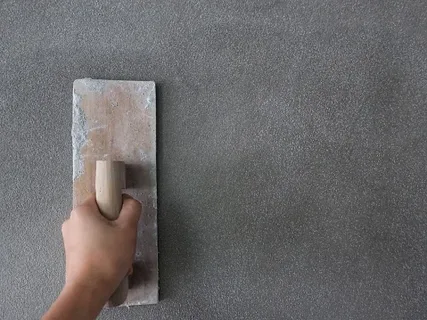
A smooth concrete surface changes how a space looks and lasts. Pull trowel finish uses a hand tool pulled toward you. This motion smooths the top layer with control. It works during the right concrete stage. The result feels even stronger and clean. This method suits home projects well and improves the concrete surface finish quality.
How Does It Differ From Other Methods?
Float finishing levels the concrete early and leaves a texture. Steel troweling adds shine later and needs skill. Pull trowel work sits between these steps. It controls surface feel without harsh marks. This balance helps avoid flaws and supports a smooth concrete surface at home.
Why Does a Flawless Pull Trowel Finish Matters?
A good finish affects how concrete looks and lasts. A smooth concrete surface feels clean and balanced, supporting comfort and trust in the space. Poor work shows flaws fast, but a pull trowel expert knows how to avoid those issues. A clean pull trowel finish provides better control and steady results, making the surface reliable for daily use without worry. This approach helps spaces feel complete, durable, and thoughtfully planned.
Visual Appeal and Surface Quality
Visual appeal starts with surface feel and light response. A smooth concrete surface reflects light evenly. This makes areas feel open and calm. Consistent texture avoids patchy views. Clean finishing lines show care and skill. The floor looks strong and neat. Guests notice balance without knowing why. A good finish improves pride in the space. It also helps match nearby materials. Walls, furniture, and light feel in sync. This quality adds value to any home space.

Long-Term Surface Performance
Good work supports strength over time. Reduced surface defects lowers future repair needs. Even texture limits weak spots. Better wear resistance helps busy areas last longer. Improved surface uniformity spreads pressure evenly. This protects concrete from early damage. Moisture finds fewer entry points. The surface stays stable through use. A strong concrete surface texture supports long-term peace. Owners spend less time fixing issues. This finish rewards patience and proper timing.
Essential Tools for a Pull Trowel Finish
Good results depend on having the right tools ready. Concrete finishing tools support control and surface quality. Each tool plays a clear role during work. Missing tools lead to rushed fixes. That often causes surface flaws. Simple tools work best for home projects. Clean tools matter as much as tool choice. Dirt causes drag and marks. Preparing tools early saves time and stress. This setup helps steady progress from start to end.
Core Concrete Finishing Tools
A pull trowel smooths the surface with controlled motion. It shapes the final look. A hand trowel helps with edges and detail work. It fixes small spots with care. A concrete float works earlier to level wet areas. It prepares the base for later steps. These tools guide proper troweling of concrete without force. Using them in order builds a smooth surface.
Supporting Finishing Equipment
A screed board levels concrete after pour. It removes high spots fast. Edging tools shape clean sides along forms. They protect edges from chips. A surface straightedge checks flatness during work. It helps spot dips early. These tools support balance and accuracy. Together, they improve control and reduce mistakes.
Understanding Concrete Timing Before Troweling
Timing decides how concrete will look and last. Many surface issues come from poor timing, and finishing wet concrete too early causes damage while waiting too long also harms results. Concrete changes fast after the pour, and understanding these stages helps avoid stress. Good timing supports a smooth texture and a strong finish, much like how painting blends with nature when done at the right moment. This step matters more than tool choice, and careful checks guide better concrete finishing steps at home.
When Concrete Is Too Wet
Concrete that is too wet cannot hold its shape. The surface may tear under light motion. Texture becomes uneven and soft. Trowel lines sink back quickly. Water sheen stays visible. Working at this stage ruins balance. It leads to weak surface areas. Waiting longer helps the slab settle. Patience protects surface quality and strength.
When Concrete Is Too Dry
Dry concrete resists tool movement. Drag marks appear across the surface. The finish feels rough and patchy. Extra pressure makes it worse. Edges may chip or crack. At this stage, fixes are hard. This causes stress and poor results. Avoid waiting past the workable window.
Ideal Troweling Window
The right moment feels firm yet moist. Light pressure leaves shallow marks. The sheen fades, but the surface stays workable. Tools glide without drag. This stage supports clean control. It gives the best finish result.
Step-by-Step Pull Trowel Technique
Good results come from clear order and calm work. The pull trowel technique depends on control, not speed, and a reliable pull trowel guide helps keep each movement steady and intentional. Each step builds on the last one, while skipping steps can create surface flaws. This method suits home projects well, as focus helps avoid mistakes. These concrete finishing techniques guide smooth results with less effort and stress.
Step 1: Surface Preparation
Start with a level surface before troweling. Use a float to remove high spots. Check for pooled water and remove it. Excess moisture causes a weak texture. The surface should feel firm and even. Preparation sets the base for clean work. A good start saves time later and improves control.
Step 2: First Pull Trowel Pass
Hold the trowel at a low angle. Pull it toward you with steady motion. Avoid pushing or sharp turns. Light pressure works best. Let the tool glide. This pass smooths the top layer. It sets the tone for later work. Calm motion prevents deep lines and marks.
Step 3: Refining the Finish
Overlap each pass slightly for balance. Work in small sections. Reduce surface lines with gentle strokes. Do not overwork one area. Watch the light reflection for flaws. These concrete finishing techniques help achieve a clean final surface.
Common Pull Trowel Finish Mistakes
Mistakes can ruin hours of careful work. A poor trowel concrete finish often comes from rushed steps. Many people push too fast or press too hard. These actions harm surface quality. Knowing common errors helps avoid repairs later. Calm work brings better results. Small changes in method protect the surface. Awareness saves time, effort, and stress. Clean results depend on control and timing.
Overworking the Concrete
Overworking happens when the surface gets too much action. Repeated passes cause surface burnishing. The top layer becomes weak and thin. This leads to early wear and cracks. The shine may look good at first. Strength suffers over time. Stop once the surface looks even. Let the concrete set naturally. This avoids hidden concrete surface flaws.
Incorrect Trowel Pressure
Too much pressure creates chatter marks. These lines break the surface balance. Uneven force leads to rough patches. Light steady motion works best. Let the tool weight guide the pass. Adjust the angle, not the force. Proper pressure keeps the finish smooth and strong.
How to Achieve a Smooth Concrete Surface?

A clean result depends on control and calm motion. A smooth concrete surface comes from steady hands and focus. Rushing creates lines and weak areas. Each pass should feel planned. Watch the surface during work. Light reflection shows issues early. Fix them while the concrete allows movement. This method supports strong results at home. It also builds confidence with each project. Careful work leads to lasting quality.
Trowel Angle Control
Angle control guides surface quality. Keep the trowel low during passes. High angles dig into concrete. Low-angle passes glide smoothly. Move with steady speed. Avoid sudden turns or stops. Consistent movement keeps the texture even. This approach improves hand trowel finish results. The surface feels calm and balanced.
Pass Direction and Overlap
Change direction to avoid lines. Use a cross pattern technique gently. Overlap each pass slightly. Work from the edge toward the center. This spreads pressure evenly. It prevents ridges and dips. Hand trowel finish improves with this flow. The surface blends into one smooth plane.
Pull Trowel Finish vs Other Concrete Finishes
Choosing the right finish affects the look, strength, and daily use. Concrete finishing methods vary by tool, timing, and skill. Each method changes surface feel and long-term value. A pull trowel finish offers control and balance. It suits home projects well. Other finishes serve different goals. Knowing the differences helps avoid regret. The right choice depends on space use and desired look. This comparison explains clear surface results without confusion.
Pull Trowel vs Float Finish
A float finish levels concrete early. It leaves a rougher surface feel. Texture remains open and less refined. A pull trowel finish smooths the top layer later. It creates a more even plane. Surface smoothness feels higher under touch. Texture differences show clearly under light. Float work suits base prep. Pull the trowel work suits the final appearance. The concrete surface finish looks more complete with a pull trowel.
Pull Trowel vs Steel Trowel Finish
Steel trowel work compresses the surface heavily. It creates dense areas and a strong sheen. This finish needs skill and timing. A pull trowel finish feels softer and more balanced. Density stays moderate across the slab. Surface sheen remains low and natural. This helps reduce glare. Pull trowel work avoids over-hard surfaces. It suits homes better than heavy steel work.
Surface Texture Control Techniques
Surface texture defines how concrete feels and performs. Concrete surface texture depends on calm control and steady motion. Rushed work creates lines and weak spots. Each pass should feel planned and light.
Watching the surface helps guide changes, and small fixes made early prevent larger flaws later. Texture control improves comfort and visual balance, while also supporting long-term strength much like how painting makes smart investment choices pay off over time. These concrete finishing techniques help achieve even results without stress.
Managing Surface Lines
Surface lines appear from uneven pressure or speed. Light finishing passes reduce marks. Let the tool glide with ease. Avoid forcing motion. Even pressure distribution keeps the texture smooth. Work in short sections. Check results often. Adjust the angle, not the force. This method limits visible lines. It helps create a clean final look.
Blending Edges and Corners
Edges need extra care during finishing. Edge tool integration shapes clean borders. Blend edges into main areas slowly. Avoid sharp changes in texture. Seamless transitions improve visual flow. Corners should match the center texture. This balance keeps the surface consistent. It also reduces weak edge zones.
Final Surface Inspection and Touch Ups
Final checks protect all your hard work. This stage confirms quality and balance. Concrete finishing steps do not end after troweling. Inspect the surface while it still allows light fixes. Walk around and view from low angles. Light reflection reveals flaws fast. This step helps reach a smooth concrete surface with confidence. Small corrections now prevent future regret. Calm inspection saves time later.
Identifying Imperfections
Minor ridges appear from uneven motion. Uneven patches show poor overlap. These flaws catch light and attention. Touch the surface gently. Feel for rough zones. Visual checks work best in side light. Spot issues early before the surface sets fully. Early notice allows easy correction. Ignoring flaws leads to lasting marks.
Correcting Small Surface Issues
Use light re-troweling only where needed. Apply gentle pressure and slow movement. Avoid working in large areas again. Final smoothing passes should blend edges softly. Stop once the surface looks even. Overwork causes damage. Careful touch-ups complete the finish.
Conclusion
At Rockstar Painting Denver, good concrete results come from timing control and steady motion. Tool choice matters, but patience matters more. Watching moisture levels protects surface strength. Light pressure keeps the texture even. Each step builds on the last one. Skipping steps leads to flaws. A pull trowel finish rewards calm focus and care. Precision helps the surface feel clean, strong, and balanced for daily use.
This guide shows how small actions shape final results. Use it as a clear checklist during work. Follow each step with care and pause when needed. Do not rush the process. Steady hands bring better results. Use this guide as a complete pull trowel finishing checklist to achieve a smooth, professional-looking concrete surface at home.
FAQs
A pull trowel finish is a concrete method using a hand tool pulled toward the body. This motion smooths the surface evenly. It improves control, texture, and final appearance for home concrete projects.
Start when surface water fades, and concrete feels firm yet moist. Light pressure should leave shallow marks. This stage allows smooth work without tearing or drag during finishing steps.
Avoid lines by keeping a low trowel angle and steady movement. Overlap each pass gently. Use even pressure. Watch the light reflection to spot marks early and correct them.
Yes, beginners can succeed with patience and care. Focus on timing, tool control, and light pressure. Practice helps build skill. Calm steps lead to a smooth concrete surface.
Basic tools include a pull trowel and a hand trowel. A float helps early leveling. A screed board checks flatness. Clean tools support better results and surface quality.