



Winter often brings cold gray days that feel long and dull. Homes can feel quiet and empty during this season. Yet interiors do not need to feel cold. Winter color shades help change that feeling fast. Walls can radiate comfort and calm. Light and color shape how a space feels each day. The right shades help cozy home interiors feel calm and comfortable. Even small changes shift how rooms feel daily. Winter becomes softer indoors when warmth leads design.
Colors shape emotion more than many people expect. Warm interior colors help rooms feel calm and welcoming. Soft browns, gentle creams, and muted reds bring a sense of steady comfort and support relaxation. Winter color shades also reduce the impact of harsh light, helping rooms feel balanced during darker hours. Modern interior painting highlights how cozy home interiors develop through thoughtful color depth and tone. Warm walls encourage people to relax and slow down, which becomes especially important during the colder months.
This guide explains how winter colors transform spaces. You will learn how warm interior colors affect comfort. You will see how textures support color choices. Cozy home interiors rely on balance and care. The right shades create retreat-like spaces. Winter homes can feel calm, bright, and inviting. Winter color shades offer simple ways to improve daily living indoors.
Why Winter Colors Matter in Interiors?
Winter changes how people feel inside their homes. Cold light and short days affect comfort. Color helps fix this problem fast. Walls guide mood and warmth. Smart choices support calm living. Winter shades help spaces feel alive. Homes feel softer during cold months. This approach builds comfort without heavy changes. Thoughtful color use supports daily well-being indoors.
Psychological Impact of Warm Shades
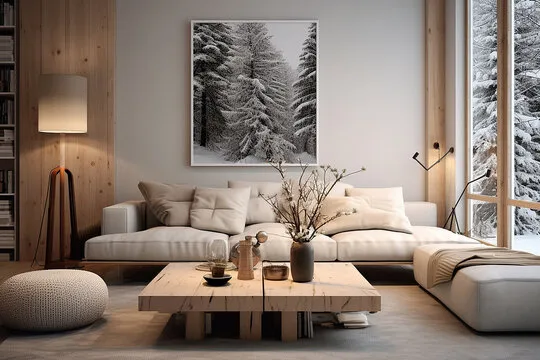
The winter color psychology in interiors focuses on emotional comfort. Warm shades reduce stress during long, cold days. They help minds relax indoors. Browns, creams, and soft tones feel grounding. These shades support cozy home interiors with ease.
Rooms feel safer and more personal. Warm colors hold light better. This helps fight dull winter shadows. People feel more balanced at home. Comfort grows through color choice alone. Warm walls support rest, focus, and calm living. This impact matters most during winter seasons.
Seasonal Aesthetics and Mood
Seasonal style brings rhythm into interior spaces. Seasonal home decor works best with winter tones. These shades support comfort and style together. Textures and colors feel richer in winter. Winter interior design ideas focus on warmth and balance.
Homes feel inviting during colder days. Layered looks add depth and comfort. Seasonal colors guide decor choices well. This creates visual harmony indoors. Winter design supports calm daily routines. Warm tones help spaces feel lived in. Comfort and beauty grow through seasonal planning.
Choosing the Right Winter Color Palette
Winter spaces feel better with careful color planning. A smart palette builds comfort and calm indoors. Colors should soften light and support warmth. The right shades change mood fast. Rooms feel inviting during cold months. A balanced winter home color palette creates steady comfort. Thoughtful choices help spaces feel lived in. This approach improves the daily indoor experience.
Warm Neutrals
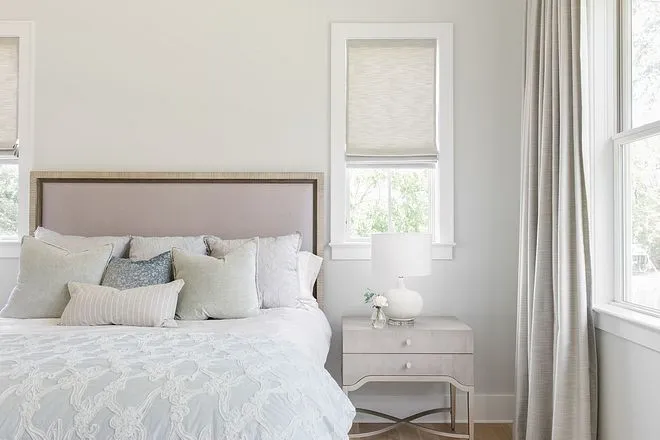
Neutral shades create a strong foundation for winter interiors. Warm neutral colors feel calm, balanced, and inviting. Beige, taupe, and soft browns work together seamlessly, reflecting light in a gentle way. Walls feel quiet and relaxing, making them ideal for colder seasons. A winter home color palette often begins with these tones. paint increases property value by showing how neutral backdrops support furniture and décor with ease. Rooms feel open yet warm, suitable for any room size. Warm neutrals never feel heavy and provide long-lasting comfort.
Deep and Rich Tones
Darker shades add depth and mood. Warm wall colors create strong visual focus. Burgundy, navy, and forest green feel bold. These shades suit feature walls well. Accent colors for winter add drama without stress. Rooms feel grounded and secure. Deep tones absorb light softly. This effect increases warmth indoors. Balance matters with darker walls. Pair them with lighter decor for harmony.
Pops of Seasonal Color
Small color touches bring energy indoors. Cozy living room colors benefit from soft contrast. Reds, golds, and oranges feel lively. These tones lift winter spaces quickly. Seasonal paint ideas work best in small doses. Accent walls or trim feel effective. Pillows and decor support these shades. Rooms stay balanced yet bright. Seasonal color adds warmth without overload.
Incorporating Textures for Warmth
Textures play a key role during cold seasons indoors. Visual warmth matters as much as color choice. Touch-based comfort improves daily living at home. Winter rooms need layers to feel complete. Texture adds depth and softness quickly. This approach supports comfort without heavy changes. Thoughtful texture planning builds emotional ease. Rooms feel calm and protected during the winter months.
Soft Fabrics and Throws
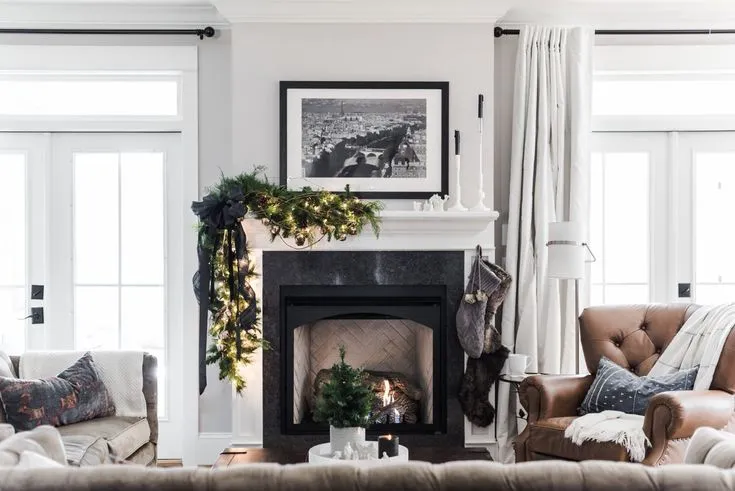
Soft layers instantly raise comfort levels indoors. Warm textures and fabrics help rooms feel gentle and relaxed. Chenille adds softness through cushions and throws. Faux fur brings warmth and visual depth. Velvet reflects light in a calm way. These materials support creating a cozy ambiance with little effort. Beds, sofas, and chairs feel more inviting. Soft fabrics reduce the cold feel of winter air. Texture improves rest and relaxation daily.
Natural Materials
Natural elements bring grounding comfort into homes. Wood furniture feels stable and warm. Rattan and wicker add texture without heaviness. This supports layered interior design through contrast and balance. Natural surfaces age well and feel familiar.
They support calm visual flow indoors. These choices help create inviting living spaces year-round. Earthy textures reduce stress during winter days. Nature-inspired materials feel honest and soothing.
Accessories and Accents
Small details finish the overall look. Rugs add warmth underfoot during cold mornings. Cushions provide comfort and color balance. Seasonal decor supports mood changes. These ideas serve as simple home warmth tips. Accessories help shape cozy home interiors with ease. Layered accents prevent rooms from feeling empty. Texture keeps spaces welcoming and lived in.
Room-Specific Winter Color Ideas
Living Room Warmth
Living rooms host talks, rest, and shared time. Winter calls for colors that feel warm and open. Cozy living room colors often start with soft neutral walls. These shades create calm and balance. Rich accents add depth and charm. Deep tones work well on one wall or decor.
Winter interior design ideas favor warmth over bright glare. Textures help colors feel deeper. Lamps and rugs support comfort. Walls guide the mood during cold days. The goal is an inviting space that feels safe and social. Color choices should support talk and calm moments. Winter design helps living rooms feel welcoming all day.

Bedroom Serenity
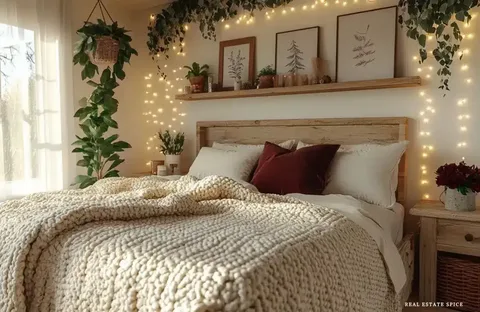
Bedrooms need peace during long winter nights. Soft tones help the mind slow down. Winter color shades like cream, clay, and soft tan work well. These colors reduce stress and glare. Light fabrics support warmth and comfort.
Seasonal home decor adds softness through bedding and curtains. Walls should feel quiet and gentle. Avoid sharp contrast here. Warm tones support better rest. Winter bedrooms feel calm and secure. Color and fabric work together. This creates a space for deep sleep and ease. Serenity matters most in cold seasons.
Kitchen and Dining Areas
Kitchens bring people together during winter meals. Color should feel warm and clean. Warm interior colors help food spaces feel cozy. Soft yellows and muted reds work well. Accent colors for winter add charm through walls or decor. Wood surfaces support warmth and balance.
Dining areas benefit from steady light. Colors guide appetite and comfort. Winter kitchens feel welcoming and lived in. These spaces should feel calm and active. Thoughtful color planning supports daily routines.
Enhancing Winter Comfort Through Thoughtful Design
Color Choices That Support Warmth
Color plays a quiet yet powerful role during the winter months. Soft, warm shades help reduce cold visual effects. Walls guide how a room feels each day. Neutral tones create calm while deeper hues add comfort. A balanced palette supports relaxation and focus.
Winter-friendly colors make interiors feel protected. These choices help homes feel steady and welcoming. Color should feel gentle, not sharp. Thoughtful selection improves daily comfort indoors.
Textures That Add Depth and Ease
Texture supports warmth beyond color alone. Soft fabrics help reduce the harsh feel of winter air, while rugs, throws, and cushions add comfort quickly. Natural materials feel grounding and familiar, and layering textures builds visual depth without creating clutter. This approach helps rooms feel lived in and inviting. Best interior painting emphasizes how texture creates warmth through both touch and sight. Balanced layering keeps interiors calm, allowing comfort to grow through simple texture choices.
Lighting That Completes the Atmosphere
Lighting affects mood during darker seasons. Soft lighting works better than bright overhead lights. Lamps create warmth in corners and seating areas. Warm bulbs support color and texture. Light placement guides comfort and movement. Shadows feel softer with proper lighting. This improves evening relaxation. Lighting completes winter interiors with balance. Small lighting changes improve the atmosphere daily.
Tips to Maintain a Cozy Winter Interior
Cozy spaces need small changes during the winter months. Cozy home interiors stay fresh through simple seasonal updates. Rotate cushions and throws as the weather shifts. This keeps rooms feeling new and cared for. Use deeper tones during colder weeks.
Store lighter items until spring returns. This method supports balance and comfort. A steady winter home color palette helps rooms feel calm. Small swaps create warmth without stress. Seasonal rotation keeps interiors inviting through long, cold days.
Rotate Seasonal Textiles
Swap cushions and throws as seasons change. This keeps cozy home interiors fresh while supporting a balanced winter home color palette.
Layer Soft Textures
Layer rugs, throws, and pillows together. Warm textures and fabrics add depth, comfort, and visual warmth during long winter days.
Adjust Lighting Warmth
Use soft lamps with warm bulbs. Lighting supports cozy home interiors and enhances the winter home color palette tones gently.
Refresh Accent Pieces
Change small decor items often. This keeps spaces lively while warm textures and fabrics prevent rooms from feeling flat.
Maintain Visual Balance
Avoid clutter by spacing decor wisely. Balanced layouts help cozy home interiors feel calm, inviting, and easy to enjoy daily.
Conclusion
Winter color shades play an important role in home comfort and style. They soften cold light and add visual warmth indoors, making walls feel calm and welcoming during long winter days. Color choices influence mood more than many people realize. Warm tones help create a sense of balance and security within the home. Rockstar Painting Denver uses seasonal shades to enhance daily comfort and relaxed living. This approach improves warmth and atmosphere without the need for major design changes.
Color works best when paired with texture and light. Soft fabrics add comfort through touch and sight. Layered materials create depth and gentle contrast. Seasonal decor supports mood and rhythm indoors. Small changes can refresh rooms with little effort. Experimenting builds confidence in design choices. Homes feel more personal through creative updates.
Winter invites change and fresh comfort at home. Color, texture, and decor work better together. Trying new ideas helps spaces feel alive. Warm shades guide the process with ease. Start small and adjust as comfort grows. Design should feel natural and relaxed. Transform your home this winter. Start with warm color shades today.
FAQs
Warm shades work best during cold months. Soft beige, clay, tan, and cream feel calming. These tones reduce harsh winter light. They help rooms feel safe and relaxed. Deeper shades add comfort when used wisely. Warm walls support cozy home living. Color choice should feel gentle and balanced. Avoid bright, cold tones in winter spaces. Warm shades create steady comfort indoors.
Start with warm wall tones and soft lighting. Add rugs and layered throws. Use lamps instead of bright ceiling lights. Choose fabrics that feel soft to the touch. Arrange seating closer for shared warmth. Color and texture work together. These steps help living rooms feel welcoming. Small updates can change comfort quickly.
Soft fabrics pair well with warm shades. Wool, velvet, chenille, and cotton feel inviting. Natural wood adds steady warmth. Rugs help floors feel gentle. Layered textures add depth and comfort. Texture supports color impact indoors. Rooms feel warmer through touch and sight.
Color affects mood each day. Warm tones reduce stress and tension. They help people relax indoors. Seasonal palettes guide comfort and rhythm. Winter shades feel grounding and calm. Homes feel more secure with warm colors. Mood improves through thoughtful color use.
Small accents create a strong impact. Pillows, art, and decor add warmth fast. Deep reds, golds, and soft orange help. Accent color guides focus and mood. Small changes prevent heavy updates. Winter spaces feel lively and balanced.