


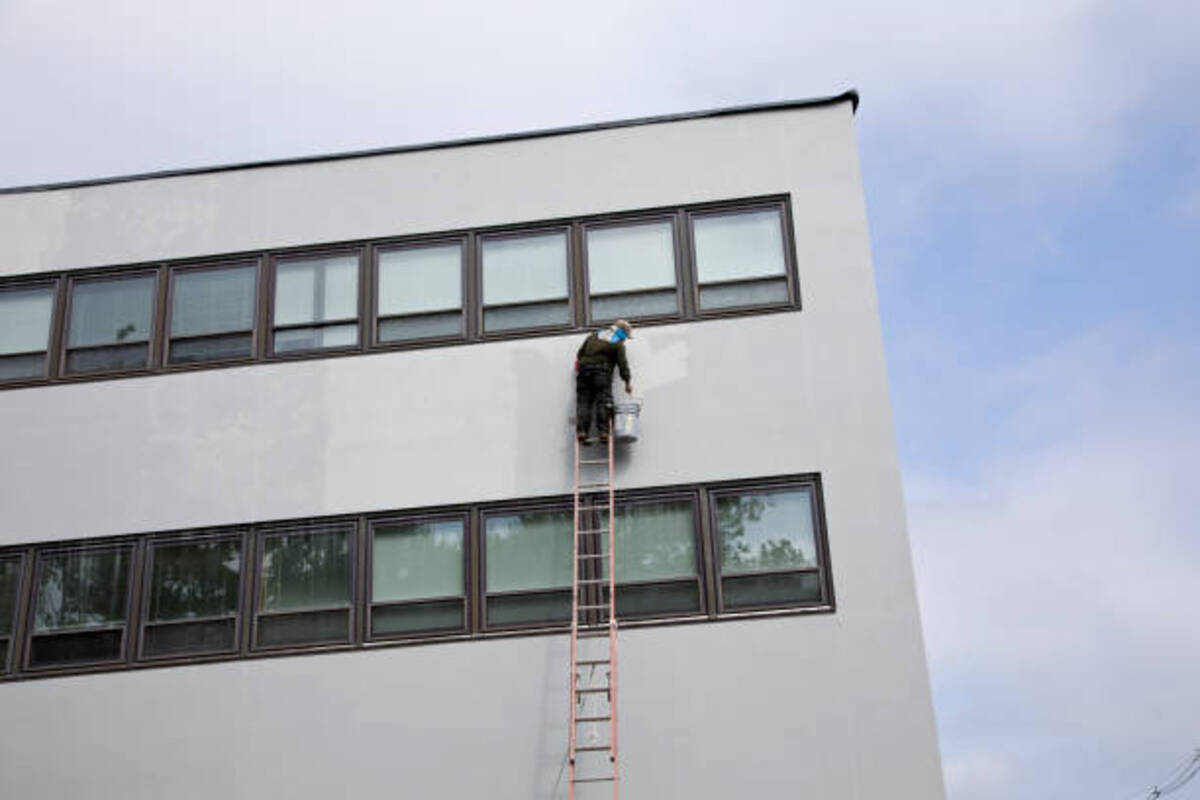
Hotels operate throughout the day. Guests arrive while staff clean rooms and manage events. Painting an active hotel, therefore, requires careful planning. The contractor must protect guests and maintain safe access. Work must also fit around room bookings and daily operations.
The benefits of hiring a commercial painter for hotels include durable finishes and safer project control. Professional painters also provide proper surface preparation and phased scheduling. They select coatings for each area and reduce avoidable disruption. This guide explains ten main benefits. It also covers coating needs and project costs. Hotel owners can use this information when comparing commercial painting contractors.
Quick Answer
Hiring a commercial painter helps hotels receive durable and consistent finishes. Experienced painters handle repairs and surface preparation. They also plan safe work zones and flexible schedules. Professional painting can reduce maintenance needs and room closures. Written scopes and quality checks also provide greater control throughout the project.
Why Does Hotel Painting Require Commercial Experience?
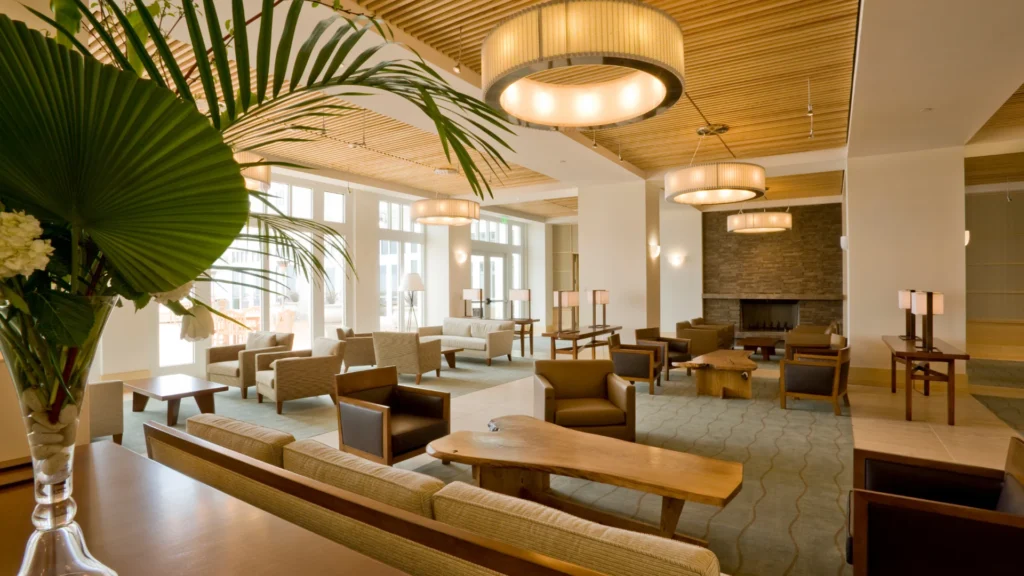
Hotel painting is different from painting an empty office. A hotel may remain open during most of the project. Guests still need clean rooms and safe hallways. Staff also need access to lifts and storage areas.
Each hotel space has different conditions. Guest rooms require low odor and washable paint. Corridors need durable finishes that resist scuffs. Bathrooms face moisture and regular cleaning. Lobbies need consistent colors that support hotel brand standards.
Hotel exterior painting presents other concerns. Denver properties face strong sunlight and changing temperatures. Snow and moisture can expose weak caulk or damaged paint. The contractor must select products for the surface and expected weather.
10 Benefits of Hiring a Commercial Painter for Hotels
1. Proper Surface Inspection and Preparation
Professional painters inspect each surface before applying paint. They look for peeling coatings and damaged drywall. They also check stains and failed caulk.
Preparation may include cleaning and sanding. Loose paint may require scraping. Cracks and holes need repair before primer. Stain-blocking primer can prevent old marks from returning.
Proper preparation supports strong paint adhesion. It also reduces early peeling and uneven coverage. Paint alone cannot fix leaks or ongoing moisture problems. These issues should be corrected before painting begins.
2. Durable Finishes for High Traffic Areas
Hotel walls face more wear than most residential walls. Luggage can scrape corridors. Cleaning carts may strike corners and trim. Doors receive constant contact from guests and staff.
Commercial Painting Services can match coatings with each area. Washable finishes work well in frequently cleaned spaces. Scuff-resistant coatings may suit hallways and stairwells. Durable enamel may work better for doors and trim.
One paint product does not suit every surface. The choice depends on traffic and cleaning methods. Existing coatings and surface conditions also affect the result.
3. Reduced Disruption to Hotel Operations
Hotel painting contractors can divide work into controlled phases. They may complete one room block or floor at a time. This allows more rooms to remain available.
Painting may occur during periods of lower occupancy. Noisy surface preparation can follow a separate schedule. Completed rooms can then be released to housekeeping.
Safe routes must remain open during each phase. Equipment should not block exits or hallways. Daily cleanup also helps the hotel maintain an orderly setting.
No contractor can promise zero disruption. Good planning can still reduce its effect on guests and staff.
4. Low Odor and Low VOC Paint Options
Paint odor can affect guest comfort. Low VOC paint for hotels can reduce emissions during interior work. Low odor coatings may also support projects in occupied areas.
These products still require correct ventilation. Low VOC does not always mean odor-free. Paint also needs enough time to dry and cure.
Professional painters review product instructions before application. They can plan airflow and isolate active work zones. Hotel management can then schedule room access around drying requirements.
5. Consistent Colors and Finishes
Visible color changes can make hotel repairs look unfinished. Sheen differences may also appear under lobby lighting. Professional painters use approved samples and written color schedules.
A project record should list each color and finish. It should also identify the correct room or surface. These records help maintenance teams order matching paint later. Pull Trowel Texture may also require specific finish planning when textured surfaces are included.
Painters may prepare sample areas before full application. Supervisors can review coverage during the project. These steps help keep rooms and shared areas consistent.
6. Safer Project Execution
Commercial painting may involve ladders and lifts. Large spaces may require scaffolding. Wet coatings and stored tools can also create risks.
A qualified contractor plans how each work zone will operate. Warning signs and barriers help control access. Personal protective equipment helps protect workers. Equipment inspections also support safe use.
Hotel managers should verify general liability insurance. They should also request workers’ compensation documents. Insurance should remain valid throughout the project.
Do not assume every painter has the same training or coverage. Ask for documents before signing the contract.
7. Organized Project Management
Hotel painting requires more than brushes and rollers. The contractor must plan labor and materials. Management also needs clear room closure dates.
A written scope should list all planned surfaces. It should explain repairs and paint products. The scope should also define coat counts and excluded work.
Daily progress reports can show completed areas. They may also flag repairs that need approval. A clear change order process reduces unexpected charges.
Final inspections help confirm coverage and finish quality. Missed items can be entered into a written punch list.
8. Lower Long-Term Maintenance Needs
Good preparation can reduce early coating failure. Suitable primers may also block stains and support adhesion. Durable commercial coatings can withstand regular cleaning better.
These factors may reduce frequent touchups. They can also help painted surfaces remain consistent for longer periods.
Paint life still depends on actual conditions. Heavy traffic can cause faster wear. Moisture and harsh cleaning products can also affect finishes.
A professional application cannot correct structural damage. It can reduce problems caused by poor preparation or unsuitable paint.
9. Better Guest-Facing Appearance
Guests notice walls around the hotel entrance. They also see corridors and check-in areas. Marks and peeling paint may make a property appear neglected.
Fresh and even finishes support a clean appearance. They also help rooms and shared areas feel maintained. Hotel interior painting can support updates without major structural changes.
Paint does not guarantee better reviews or increased bookings. Property condition still affects how guests view cleanliness and care. That makes painted surfaces part of the wider guest experience.
10. Written Warranties and Accountability
A commercial painting contract should define each responsibility. It should list the products and preparation work. It should also include project dates and payment terms.
Product records help hotel staff manage future repairs. Warranty documents explain which defects are covered. They should also state exclusions and reporting steps.
A final walkthrough allows management to inspect the work. The contractor can then complete approved touchups. This creates clear accountability after the project ends.
Which Hotel Areas Need Specialized Paint?
Different hotel areas face different forms of wear. Product selection should follow actual surface conditions. It should also follow the paint maker’s instructions.
| Hotel area | Main condition | Coating consideration |
| Guest rooms | Room turnaround and comfort | Low odor washable paint |
| Corridors | Scuffs and regular cleaning | Abrasion-resistant finish |
| Lobby | Heavy traffic and appearance | Durable washable coating |
| Bathrooms | Humidity and condensation | Moisture-resistant paint |
| Restaurants | Cleaning and guest access | Washable, low-odor finish |
| Stairwells | Impact and surface contact | Scuff-resistant coating |
| Doors and trim | Repeated contact | Durable trim enamel |
| Exterior walls | Sun, snow, and moisture | Weather-resistant coating |
Pool areas may require added moisture protection. Kitchens may face grease and heat. Popcorn Ceiling Removal may also be considered when older textured ceilings are part of a hotel renovation project.
What Is the Commercial Hotel Painting Process?
Step 1. Property Assessment
The contractor inspects walls and other planned surfaces. The assessment identifies damage and access needs. It also reviews moisture and occupied areas.
Step 2. Written Scope
The scope lists rooms and painted surfaces. It defines repairs and preparation. Colors and coating products should also appear in this document.
Step 3. Project Phasing
Management and the contractor review room bookings. They also consider events and housekeeping needs. The schedule then divides work into manageable phases.
Step 4. Surface Protection
Painters cover floors and furniture. They protect fixtures and nearby equipment. Work areas receive barriers when access must be limited.
Step 5. Preparation and Application
Workers clean and repair each surface. Sanding and primer follow when required. Painters then apply the specified coating system. Extensive wall damage may require Professional Drywall Repair before the coating system is applied.
Step 6. Quality Review
Supervisors check coverage and color consistency. They also review edges and repaired areas. Problems can then be corrected before room release.
Step 7. Cleanup and Final Walkthrough
The crew removes coverings and cleans each work area. Hotel management reviews the completed project. Any remaining items enter the final punch list.
How to Choose a Commercial Painter for a Hotel
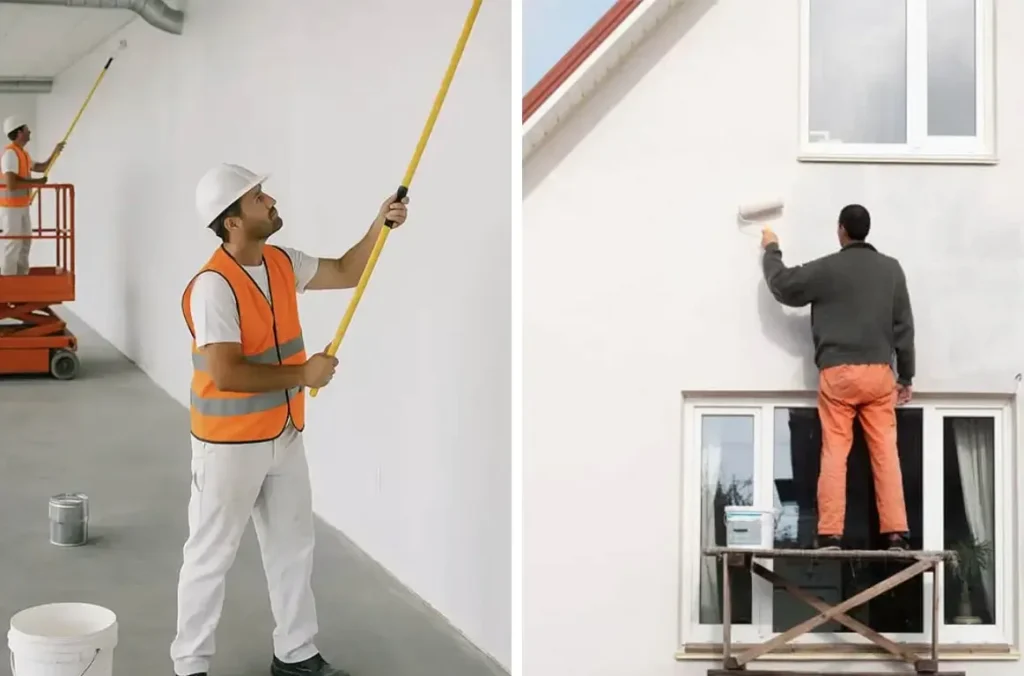
Look for experience with hotels or other occupied properties. Hotel projects require strict coordination and safety planning. Residential painting experience may not cover these needs.
Review the following points before selecting a contractor.
- Ask for recent commercial references.
- Review photographs of similar projects.
- Verify liability and workers’ compensation insurance.
- Request detailed surface preparation steps.
- Confirm paint products and finishes.
- Ask how work areas will be isolated.
- Review ventilation and odor control plans.
- Request a phased schedule.
- Confirm daily cleanup duties.
- Ask who will supervise the crew.
- Review the change order process.
- Read the workmanship warranty.
- Compare complete scopes instead of prices alone.
Avoid estimates with vague product details. A low price may exclude primer or repairs. It may also omit access equipment and cleanup.
What Affects Hotel Painting Cost and Duration?
Hotel painting costs depend on the project scope. Room count and total surface area affect labor. Wall condition also affects preparation time.
Drywall repairs and stain treatment can increase costs. Multiple colors may require more work. High ceilings may need lifts or scaffolding. Furniture movement can also affect the schedule.
Occupied hotels may require night or weekend work. Exterior projects depend on Denver weather and surface temperature. Exterior Painting Services may require separate scheduling when hotel exterior areas are included. Product drying and curing times also affect room release dates.
An onsite assessment is necessary for an accurate estimate.
Choose Professional Hotel Painting in Denver
The benefits of hiring a commercial painter for hotels go beyond fresh color. Professional planning can reduce operational issues and protect occupied spaces. Proper preparation also supports coating adhesion and finish quality.
Rockstar Painting provides commercial hotel painting services in Denver. The team can assess interior and exterior surfaces. They can also discuss scheduling and coating requirements. Contact Rockstar Painting to request a detailed commercial painting estimate.
Frequently Asked Questions
Yes. Many hotels remain open through phased scheduling. The plan depends on occupancy and ventilation. Safe access and room availability also affect the schedule.
Washable and scuff-resistant coatings often suit hotel corridors. The correct product depends on traffic and cleaning. Surface condition and desired sheen also matter.
Contractors can use low odor products and planned ventilation. Isolated work zones also help. The product’s drying and reentry guidance must still be followed.
There is no fixed schedule. Traffic and cleaning affect paint life. Moisture and surface damage also matter. Busy areas may need repainting sooner.
The benefits include proper preparation and durable coatings. Hotels also receive safer work zones and phased schedules. Written records support future maintenance.