


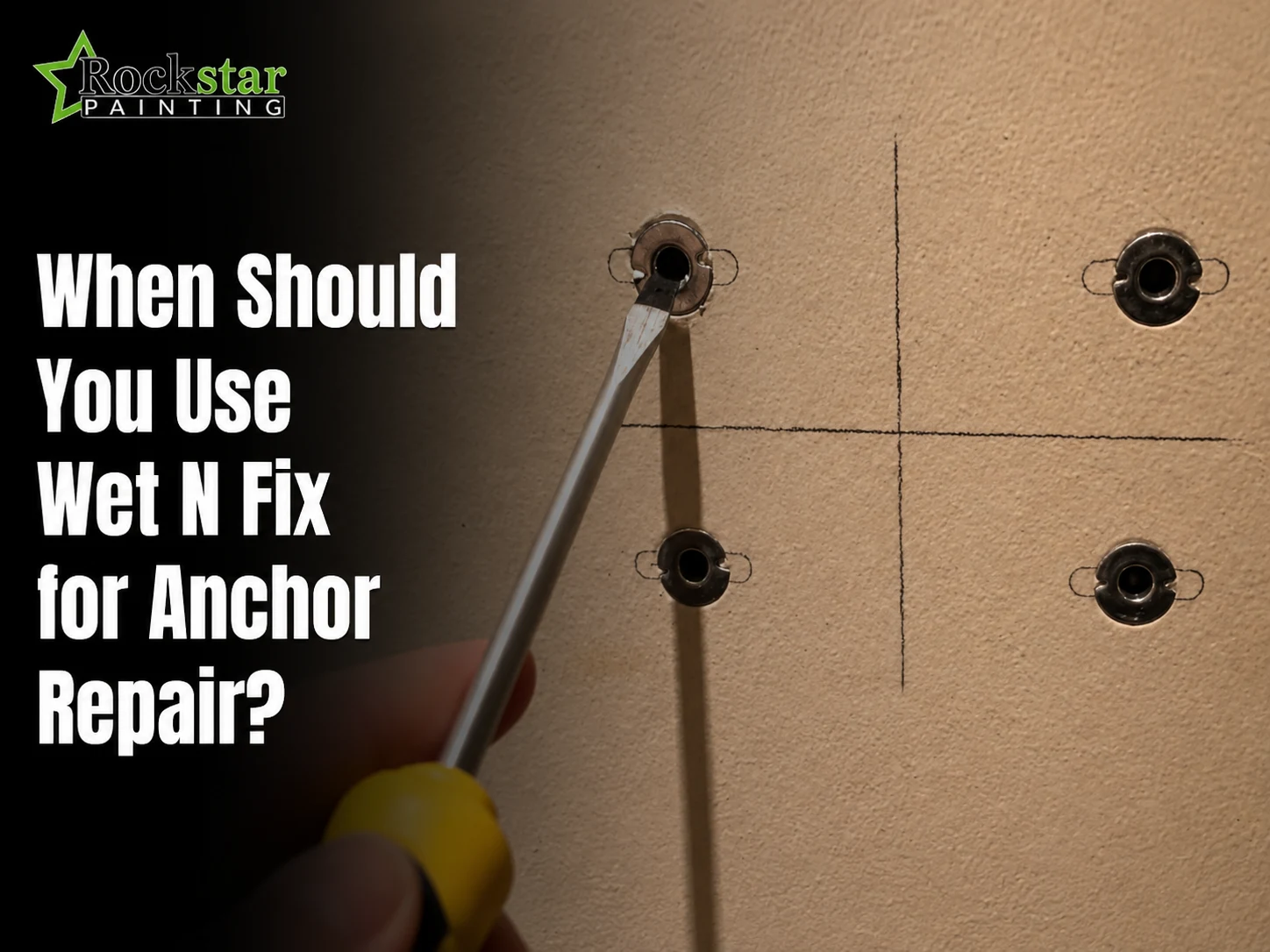
A loose wall plug can turn a task into a repair. The screw spins, and the bracket begins to move. Wet N Fix anchor repair may solve damage around a firm hole. Yet it cannot rebuild a weak board. Wet N Fix anchor repair works best after a careful wall check.
Wet N Fix is best used when a wall plug becomes loose. The anchor hole should be moderately oversized. The wall around it must remain firm. It should not replace drywall patching on fractured or water-damaged walls. It cannot fix crumbling. Heavy or safety-critical items need stronger support.
Wall strength and fixture weight matter more than product ease. A light frame adds little stress. A towel bar faces pulls and movement. Shelves place more force on weak drywall. Check the hole size and wall type first. Then choose a repair pad or a stronger anchor for the job.
The 30 Second Wet N Fix Decision
Use It When the Wall Is Still Sound
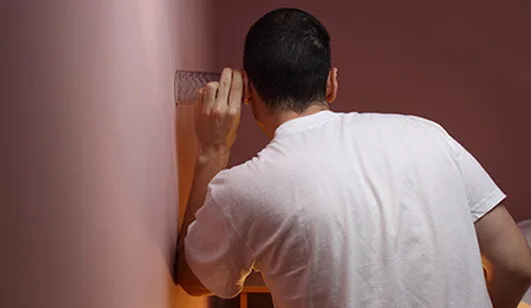
Use Wet N Fix anchor repair when the wall still feels firm. The hole may be wider than the plug. Yet the edges should not break under light pressure. This works when the mount cannot move elsewhere. The plug should remain inside the hole. The fixture must also stay within the maker’s rating. Check every point before reuse with care. If the surface also shows minor wear, damaged drywall repair may be needed before reinstalling the anchor.
Skip It When Damage Is Structural
Skip the pad when a drywall anchor pulls out completely. Broken edges mean the wall has lost needed support. A wall anchor hole too big often needs a patch. The sagging board also needs real repair. Water-damaged gypsum must be removed. Missing wall parts need new backing. Heavy fixtures should use studs or rated anchors. Pads cannot rebuild weak structures.
| Wall Condition | Use Wet N Fix | Better Choice |
| Plug spins in a slightly enlarged hole | Usually | Wet N Fix with a sound anchor |
| The hole is slightly wider than the plug | Usually | Repair pad or correct anchor |
| The same mounting spot is needed | Possibly | Check the wall state first |
| Drywall paper is torn or split | No | Drywall patch and support |
| The wall feels soft or water-damaged | No | Repair the damaged wall part |
| Fixture is heavy or safety critical | No by itself | Stud or rated anchor or expert |
| Anchor has failed many times | Not at once | Check the wall and anchor type |
| Wall edges are broken | No | Patch and add firm support |
What Wet N Fix Anchor Repair Actually Repairs
Wet N Fix fills the spare space around a loose wall plug. It bonds the plug inside a sound hole. It does not raise the anchor load rating. It cannot turn damaged drywall into a stud. It also cannot fix wrong anchor use or support heavier items without proper proof.
Loose Plug Versus Broken Drywall
Loose wall plug repair suits a firm wall with a slightly wide pilot hole. It may also help when an anchor spins during screw fitting. A full pullout shows more serious damage. Fractured edges and weak gypsum need patchwork. Wall plug repair pads cannot replace missing wall parts or strength.
Repair Pad Versus Cosmetic Filler
Spackle mainly restores the wall face after small marks or holes. It is not made to hold a loose plug by itself. Repair pads support an anchor spinning in wall openings. Results still depend on the sound board and correct anchors. Neither choice is always stronger without proper load tests first. Similar preparation is important before applying a pull trowel texture for a consistent wall finish.
Best Times to Use Wet N Fix Anchor Repair
The Drill Hole Is Slightly Too Wide
A drill may wander and make the opening wider than planned. The wrong bit can cause the same issue. A plug that slides in freely has lost its needed grip. Wet N Fix may pack the gap. It can also help when the plug turns during screw fitting.
The Original Plug Has Become Loose
Plugs loosen after repeated screw removal or daily fixture movement. Small plaster loss can also reduce grip. Overtightening may crush the hole edges. Poor seating creates movement from the start. Use the pad only when the wall stays firm. Stop when the anchor has torn fully free.
You Must Reuse the Same Location
Some brackets must return to one fixed spot. Curtain rods and towel bars often have set hole spacing. The same applies to coat hooks and paper holders. You may repair a drywall anchor in the same hole when the damage is small. This can also fix loose curtain rod anchor points.
The Outer Wall Layer Needs Packing
Some plaster walls have brick behind the outer layer. The deep fixing may still feel firm. Only the thin surface around the plug may need added packing. A repair pad can steady that outer area. Do not use it when plaster falls away or the deeper fixing moves.
When Wet N Fix Anchor Repair Is the Wrong Repair
The Hole Has Torn Through the Drywall
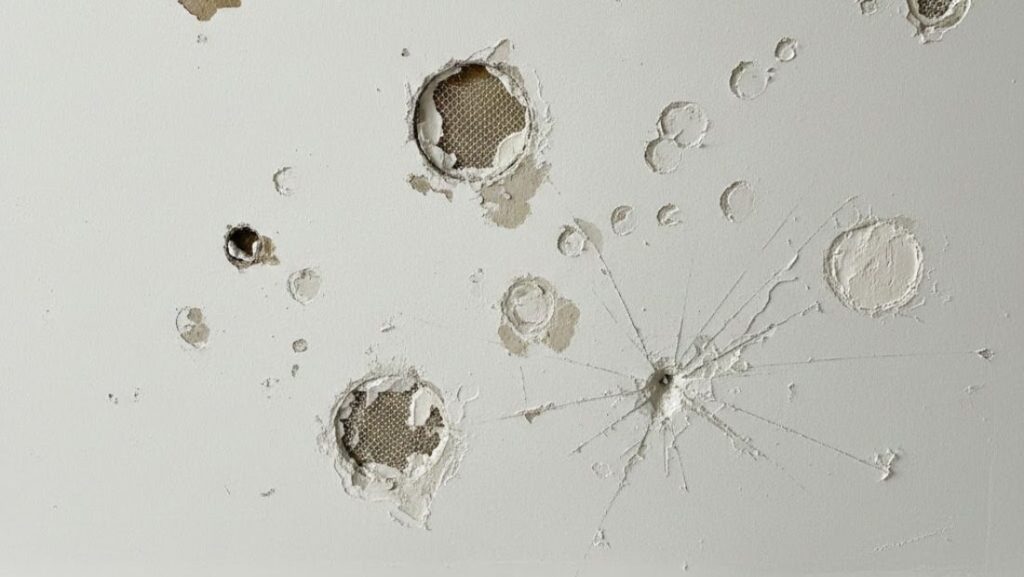
Use drywall anchor repair only when a firm board surrounds the fixing point. Missing paper and craters show deeper failure. Spreading cracks and wall flex also signal a weak board. Cut back to sound drywall.
The Wall Is Soft or Water Damaged
Soft drywall often shows stains, swelling, powdery gypsum, or sagging areas. Let the area dry. Rebuild the wall before mounting anything again. This is also the right stage to consider popcorn ceiling removal if moisture has affected nearby ceiling surfaces.
The Fixture Carries a Heavy Load
Heavy fixtures need more than a repair pad. Television mounts and cabinets place a strong force on weak drywall. Large shelves and mirrors also need firm support. Handrails and safety gates need careful fixing. Use a wall stud or solid blocking. A rated hollow wall system may work after proper checks.
The Anchor Type Is Incorrect
The wrong anchor will fail inside a wall. Masonry plugs do not suit hollow drywall. Small anchors cannot hold large fixtures. Damaged plastic plugs should be replaced. The screw must match the anchor size. Use a heavy-duty drywall anchor within its stated rating. Check the wall and fixture before fitting.
Check the Hole Before You Repair It
Remove Load First
Support the fixture before touching any screw. Heavy parts can drop without warning. Stop tightening when the anchor spins. More force will widen the damaged hole. Hold the bracket while removing each screw. Pull it away with care. Do not scrape or crush the wall edges.
Inspect Wall Around Hole
Inspect loose wall anchor points under bright light. Press lightly around the hole. The sound board should feel firm. Check for cracks and loose face paper. Look for damp marks or crumbling plaster. Old filler may hide past damage. Nearby holes can also weaken one small area.
Inspect Plug and Screw
Remove the plug without making the stripped anchor hole wider. Check for bends, splits, or crushed parts. Test whether the plug can still expand. Match the screw width with the anchor guide. A short screw may not grip. Worn threads mean the parts need replacement.
Identify Behind the Wall
Work out what sits behind the wall face. Hollow drywall needs its own anchor type. Plaster may cover brick or block. Wood framing can offer firm support. Metal plates may guard wires or pipes. An anchor screw not tightened may signal hidden damage. Never drill deeper without checking first.
Match Anchor Repair to the Dry Wall Type
Drywall and Plasterboard
Drywall has a soft gypsum core behind face paper. That paper helps spread anchor force across the wall. Wet N Fix plasterboard is used to suit small firm holes. Hollow wall anchors must match the fixture load. Large torn areas need a patch before any new holes.
Traditional Plaster Walls
Old plaster can feel hard yet break into dust near fixings. Check whether the damage stays near the surface. Deep cracks may show plaster leaving its base. A wall plug-in plaster needs fitting. Forcing a larger plug can split more plaster and weaken the fixing.
Plaster Over Brick or Masonry
Loose plaster may hide firm brick behind the face. A longer plug and screw may reach a solid base. The fixing must suit masonry. Use masonry wall plug repair after checking the depth. A repair pad can pack the surface. It should not carry the main load.
Wood and Solid Backing
A loose screw in wood needs a repair plan. Wet N Fix does not rebuild wood grain. You may need a wider screw or a repaired hole. Fresh wood gives a better grip. Move the fixing point when damage spreads. Use the right fastener for the fixture.
Which Fixtures Suit Wet N Fix Anchor Repair

Lower Risk Everyday Fixtures
Small items are the best candidates after a full wall check. Toilet paper holders and small coat hooks may suit this repair. Light wall decor and simple brackets can also work. Light curtain parts may qualify when the wall stays firm. Keep each fixture within the anchor rating during use.
Fixtures Exposed to Movement
Movement raises the risk of another loose fixing. Curtain rods face pulling each day. Towel bars also take repeated force. A curtain rod anchor repair needs sound drywall and light hardware. Towel bar drywall repair needs extra care. Shelves and busy hooks may loosen again through constant vibration over time.
Fixtures That Need Stronger Support
Some fixtures should not depend on repair pads alone. Large shelves need studs or solid blocking. A shelf anchor pulled out often shows poor support. Cabinets and heavy mirrors need rated fixings. Televisions and handrails need firm framing. Child hardware and overhead items also need stronger planned support during use. Professional results, similar to the standards associated with rockstar painting standout, rely on proper preparation rather than quick fixes.
Wet N Fix Anchor Repair or Another Method
Choose a Larger Anchor When
Choose a larger anchor when the hole stays clean and firm. The new anchor must match the wall type. Keep the fixture within its stated load. This choice may work better than Wet N Fix vs spackle for solid walls.
Choose a Toggle or Molly Bolt When
Choose a toggle or molly bolt when the wall is hollow. Sound drywall must surround the hole. Check cavity space before fitting. Wet N Fix vs toggle bolt depends on wall strength and the load needed for the fixture itself.
Patch and Reinforce When
Patch and reinforce when the hole is torn or has failed before. Add backing when the bracket must stay there. These drywall anchor repair methods restore firm support. Use professional help when damage spreads or heavy loads cause repeat failure. This approach is also common in projects where commercial painting business impact depends on durable wall preparation before painting.
| Repair Method | Best Used For | Same Hole Possible | Main Limit |
| Wet N Fix repair pad | Loose plug-in sound wall | Often | Not for major damage |
| Larger wall plug | Slightly wide solid wall hole | Sometimes | May enlarge damage |
| Toggle bolt | Hollow drywall with sound edges | Often | Needs cavity space |
| Molly bolt | Hollow wall mounting | Often | Needs correct fitting |
| Fill and redrill | Minor damaged holes | Sometimes | Needs curing time |
| Move to a stud | Heavy fixtures | New location | Holes may not align |
| Drywall patch with backing | Large fractured holes | Yes after repair | More work needed |
| Professional repair | Repeat or wide damage | Depends | Higher service cost |
Why Wet N Fix Anchor Repairs Fail Again
The First Cause Was Missed
A drywall anchor keeps pulling out when the cause remains. Excess weight can strain it. Wrong anchors or screws fail. Large drill holes weaken the grip. Soft board may cause repeat damage.
The Screw Was Too Tight
Extra force can make the anchor spin when tightening. It may grind gypsum or crack plaster. The plug can split and lose grip. Stop once the bracket feels firm.
The Repair Took Weight Too Soon
Setting time is not always the full cure time. Let the repair dry as directed. Fit the bracket later. Add the full load after curing. Follow current product steps instead of random advice.
The Fixture Keeps Pulling
A loose wall fixture may create outward force. Curtain rods and towel bars move often. Shelves pull away from the walls. Repeated use can loosen a repair that first felt firm.
How Long Before Wet N Fix Anchor Repair Can Hold?
Wet N Fix is sold as a quick-setting repair. Setting and full loading are not always the same. Let the repair become fully firm. Follow the current package steps before fitting the fixture.
- Wall heat and moisture can change drying time.
- Pad count and hole size can affect setting time.
- Wall type and fixture weight can affect safe final loading.
Safety Checks Before Rehanging Items With Wet N Fix Anchor Repair
- Confirm the wall no longer crumbles under light hand pressure.
- Replace the old plug when it looks bent, split, or worn.
- Match the screw size with the plug guide.
- Check the anchor load rating before fitting the item.
- Keep the fixture weight below the stated limit.
- Tighten each screw slowly and stop once the bracket feels firm.
- Test the secure drywall anchor with gentle hand pressure first.
- Watch the bracket and wall for any fresh movement.
- Stop when cracks reopen or wall dust appears.
- Use a wall stud or a stronger system for heavy loads.
- Never trust a surface repair for safety-critical fixtures.
- Check safe wall mounting again after normal use begins.
Conclusion
This guide helped you judge the wall before choosing a repair. Wet N Fix anchor repair may suit three clear conditions. The wall must feel firm. The hole should be only somewhat wider than the plug. The anchor and fixture must also match the planned load. Rockstar Painting these checks matter more than the ease of a quick fix.
Choose another method when the drywall is cracked or badly torn. Do the same when damp has weakened the wall. Wrong anchors and heavy items need stronger support. Repeat failure also points to a deeper wall issue. A sound repair protects the fixture and prevents more damage. For unsure cases, seek professional drywall repair in Denver to help before rehanging the item again.
FAQs
Yes, when the drywall stays firm, and the hole is only somewhat larger than the plug around its outer edge.
You may reuse it when the wall remains firm, and the chosen repair fits the size and type of damage.
A clean small pullout may be fixed with care, but torn or cracked drywall needs a proper patch first instead.
Neither is always better because spackle repairs the surface while Wet N Fix packs space around a loose wall plug.
Some guides allow extra discs for small gaps, but several pads should never hide a badly damaged or oversized hole.