


Damaged walls can make any room look old and rough. You may notice cracks or holes over time. This is where professional drywall repair helps. Skilled workers fix surfaces with care. They bring back clean walls that feel safe and smooth again for your home or office spaces.
Understanding Modern Professional Drywall Repair Value
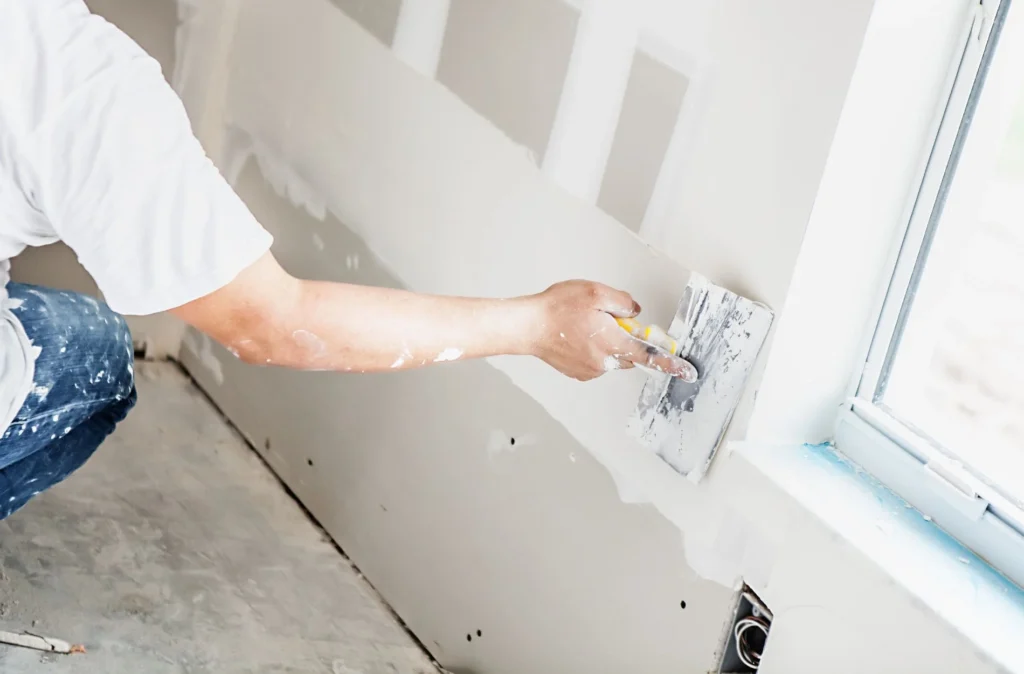
Cracked walls and popped nails make your home look old before its time. Water stains spread across ceilings while holes from moving furniture ruin clean surfaces. These issues bother you every day and lower property value fast. Professional drywall repair restores smooth finishes that last for years without repeating problems.
Modern repair methods matter because old patching fails quickly. Drywall repair contractors use mesh tape and setting compound instead of paper tape. Wall repair professionals address moisture damage by finding leaks first, then replacing moldy sections. A family in Texas found green mold after a pipe leak caused swelling behind bedroom walls. They needed a full panel replacement, not just surface patches. Quality work prevents future damage and keeps interior spaces looking fresh for buyers and renters alike.
Key Signs Your Walls Need Expert Repair Services Today
Wondering when to call a specialist for your damaged walls. These visible and hidden signs tell you need help from drywall repair specialists before problems get worse.
- Hairline cracks wider than a credit card that keep growing longer each month
- Dents and holes from door knobs or furniture moving during daily life
- Yellow or brown water stains are spreading across ceilings after heavy rainstorms
- Bubbling paint or soft spots showing moisture damage behind surface layers can also affect decorative wall texture and make repairs more noticeable over time.
- Nail pops that return even after you push them back into place
- Mold smell coming from the walls, even when you cannot see black spots
A homeowner in Florida noticed spongy drywall near the bathroom. Certified drywall repair service teams found hidden pipe leaks causing rot inside wall cavities. Wall repair professionals test for hidden issues using moisture meters. Don’t wait until small damage becomes costly structural problems requiring full room updates.
Differences Between Skilled And Unskilled Contractors
Skilled drywall repair contractors use setting compound and mesh tape for strong joints. Beginners often skip proper taping and sand too little. A homeowner hired a cheap handyman who left visible bumps. Later, they paid double for professional drywall repair to fix the poor work. Experts take time to blend repairs seamlessly, often working alongside professional painting experts to achieve a consistent final finish.They match texture and paint perfectly. Unskilled workers rush and leave telltale signs. Experience means fewer callbacks and satisfied families.
Veteran crews spot moisture issues beginners miss. They know which patches fail fast and which last decades. Ten years of work teach them how different compounds behave in humidity. New workers guess and often pick the wrong materials. Seasoned teams finish faster with better results. Their skill saves you money over time.
Cost Factors That Influence Wall Repair Project Pricing
Wall repair costs depend on the size of the damage and labor needs. Wall repair professionals charge based on multiple factors that affect final pricing for your home project.
Damage Size And Scope
Small nail holes cost $50 to $80 per patch. A family paid $120 for three doorknob dents in their hallway. Large holes need full panel replacement at $200 to $400.
Labor Hours And Skill Level
Drywall repair contractors charge $45 to $75 per hour. Complex texture matching takes extra time. Simple patches finish in one hour. Multi-layer mud applications add labor costs.
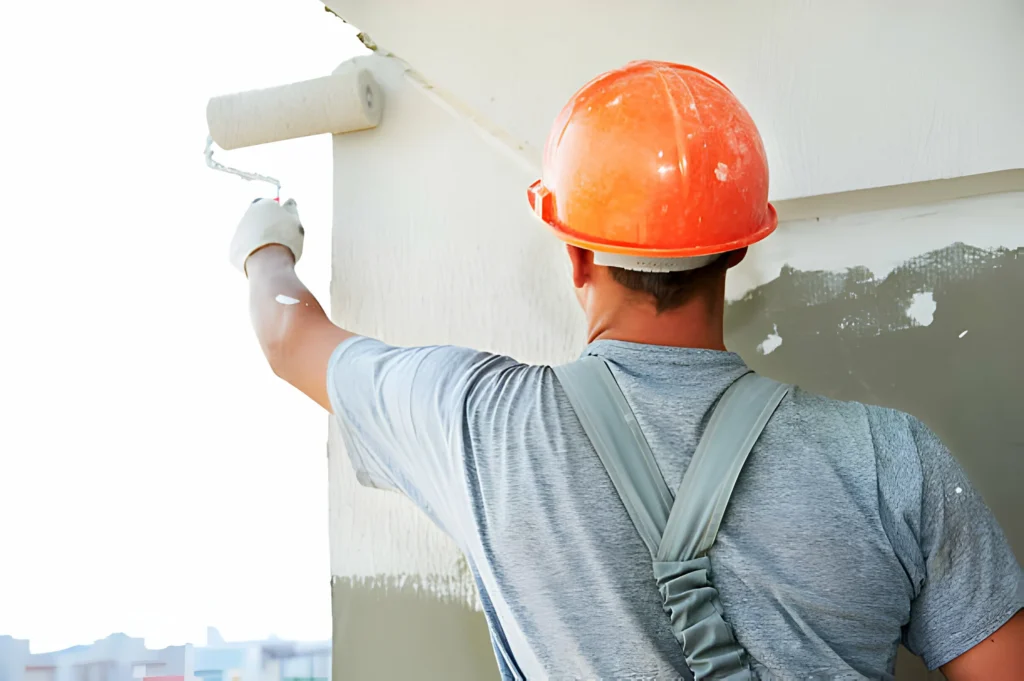
Material Quality And Type
Standard joint compound costs $10 per bucket. Premium setting compound runs $25. Moisture-resistant green board costs 40% more. Material choices affect durability and price.
Urgency And Timeline Needs
Emergency same-day service adds 25% to the total cost. A landlord needed a fast repair before the tenant moved in next week. They paid extra for rush professional drywall repair scheduling. Standard scheduling saves money.
Height And Access Challenges
Ceiling repairs cost 30% more than wall work. High ceilings need special scaffolding. A two-story foyer repair cost $350 due to ladder requirements and safety gear.
| Damage Type | Small Repair | Large Repair |
| Nail holes | $50–$80 | N/A |
| Door dents | $80–$120 | N/A |
| Water stains | $150–$250 | $400–$600 |
| Full holes | $100–$200 | $300–$500 |
| Ceiling patches | $200–$300 | $500–$800 |
Get written estimates from multiple teams. Compare what each quote includes before deciding.
Stepwise Process Followed In Professional Wall Repairs
Every repair follows a clear workflow. Certified drywall repair service teams use this proven sequence to fix damaged walls from start to finish.
1. Submission of Request
Homeowners fill out online forms or call for quotes. A family described their water-damaged ceiling stain. They uploaded photos showing the discoloration spread. Fast submission starts the process quickly.
2. Insurance Verification
Teams check if your policy covers the damage. Storm damage often gets covered. Wear and tear usually does not qualify. Verification prevents billing surprises later for homeowners.
3. Clinical Review
Drywall repair specialists inspect the site in person. They measure damage and check for hidden moisture. A pro found mold behind a bathroom wall during inspection. Review ensures accurate estimates.
4. Approval or Denial Decision
You receive written confirmation of coverage. Approved claims move forward with scheduling. Denied claims mean you pay out of pocket. A clear decision helps you plan the next steps.
5. Final Notification
The team contacts you with the repair start date. Professional drywall repair begins within days. A homeowner got notified three days before the crew’s arrival. Final notice prepares you for the work ahead.
Essential Tools Used By Drywall Repair Specialists
Modern repair needs proper equipment for quality results. Drywall repair specialists use specialized tools that deliver smooth finishes that homeowners cannot achieve with basic household items and DIY patching kits.
Cutting And Sanding Equipment For Precision Work
Utility knives cut clean edges around damaged sections. Drywall saws remove large, broken panels precisely. Sanders, with fine-grit paper, creates smooth surfaces. Wall repair professionals use electric sanders for even results. A pro spent 20 minutes hand-sanding a small patch.
Materials Used For Seamless Wall Finishing
Joint compound fills gaps and covers seams. Mesh tape reinforces joints better than paper tape. Setting compound hardens for strong bonds. Professional drywall repair teams use premium materials. Primer seals repaired areas before painting. Topcoat matches the existing wall color perfectly for invisible fixes.
| Tool Type | Purpose | Professional Grade |
| Utility knife | Cut drywall | 12mm sharp blades |
| Drywall saw | Remove panels | 8 teeth per inch |
| Electric sander | Smooth surfaces | Variable speed control |
| Taping knife | Apply mud | 6 to 12 inch widths |
| Mud pan | Hold compound | Stainless steel |
Common Mistakes During Interior Wall Restoration Work
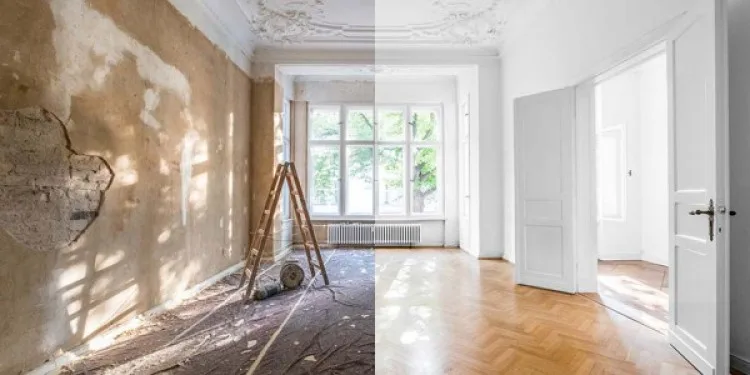
Interior wall work often goes wrong when steps are rushed or skipped. Many people try drywall repair without skill and face rough results later. This guide shows common errors that lead to weak walls and explains simple ways to avoid them for better home results.
Uneven sanding
Many people sand too fast or too hard on one spot. This creates dips and bumps. For example, a living room wall can look wavy under light after painting. Wall repair professionals usually check the surface level slowly to avoid this uneven finish problem.
Wrong filler use
Some use low-quality filler that shrinks after drying. This causes cracks again within days. A bedroom patch may reopen after the paint. Drywall repair contractors choose a proper filler that stays firm so the wall stays smooth for a long time without repeat damage.
Skipping primer layer
Skipping primer layer is a common mistake that both homeowners and a commercial painting bussines must avoid to ensure a uniform paint finish.People often paint directly over patched areas. This leads to dull patches that stand out later. In a hallway, this can look like stains on fresh paint. Professional drywall repair includes primer so that the color blends evenly, and the walls look fully restored.
Ignoring hidden cracks
Small cracks behind paint are often missed. Later, they spread and damage bigger areas. For example, a kitchen wall may show long lines after a few weeks. Skilled wall repair professionals inspect deeply so hidden issues are fixed before they grow.
Poor cutting and patch fit
Wrong-size patches leave gaps around edges. This weakens the repair and creates weak spots. A small office wall patch may fall off after pressure. Careful measurement in drywall repair work helps avoid loose or weak wall sections.
Rushing drying time
Some people paint before the wall is fully dry. This traps moisture inside. Later bubbles appear on the surface. In a bathroom, this happens often due to humidity. Drywall repair contractors always wait the full drying time for strong, lasting results.
Bad tape placement
A tape that is not aligned causes visible lines after painting. A bedroom wall may show strip marks under sunlight. Skilled professional drywall repair work places tape flat and smooth so joints stay hidden, and the finish looks clean and natural.
Advanced Techniques Used For Seamless Wall Restoration
Advanced wall repair is not just filling holes. It needs skill and detail work. Professional repair experts use layered methods and texture control to make damaged walls look fully natural and strong again in real home settings.
Multi-layer Patching For Invisible Repairs
Multi-layer patching builds the wall slowly with thin coats. Each layer dries before the next step. This avoids sinking or cracking later. A small bedroom wall with deep dents can look fully flat after careful layering by experts instead of one thick fill.
Multi-layer Patching For Invisible Repairs
Basic repair often uses one thick patch that dries unevenly and shows marks later. In contrast, skilled workers apply thin layers step by step. A living room wall after water damage was restored using this method. Drywall repair specialists ensured each layer blended smoothly, leaving no visible patch even under strong side lighting.
Texture Matching For Professional Finishing Results
Texture matching helps repair and blend with the original wall design, much like the preparation standards used in exterior house painting projects. Experts study the pattern type before applying the finish. A kitchen wall with a light grain texture can be matched so the repair area becomes invisible after paint when done by trained hands and proper tools.
Texture Matching For Professional Finishing Results
Basic repair ignores wall texture, which makes patched areas easy to spot after painting. Advanced work recreates exact patterns using tools and skills. In one home renovation, a hallway wall had an orange peel texture. A certified drywall repair service carefully matched the pattern so the repair zone fully disappeared under natural light.
Quality Inspection Steps Before Painting Damaged Walls
Good wall paint work starts with a full check first. Many issues stay hidden after repair. Professional drywall repair teams inspect every part before painting to avoid future cracks, bumps, or weak finish problems.
Surface Smoothness Check
Experts run their hands and light across the wall surface. This helps find small bumps or dips. A bedroom wall may look fine, but feel uneven to the touch. Wall repair professionals fix these areas before painting starts for a clean and flat finish.
Crack and Joint Review
All repaired joints are checked closely for hidden cracks. Even tiny lines can grow after the paint dries. In a hallway repair, small joint lines may reappear later. Drywall repair contractors seal these areas again to stop future surface damage and visible marks.
Moisture and Dryness Test
Walls must be fully dry before painting. Moist areas can cause bubbles or peeling later. A bathroom wall often holds hidden moisture after repair. Drywall repair teams test dryness carefully so paint sticks well and lasts longer without surface damage.
Primer Coverage Inspection
Primer Coverage Inspection is important for long-lasting results, similar to the surface preparation required for professional deck staining projects.The primer must fully cover the patched areas before the color paint. Missing spots can cause uneven shades. For example, a living room wall may show dull patches. Wall repair professionals ensure full primer coverage, so the final paint looks smooth and evenly matched.
Surface Cleaning Check
Dust or loose particles must be removed before painting. Even small dust can ruin paint finish. In a kitchen wall repair, leftover dust may show after painting. Drywall repair contractors clean every surface so paint bonds properly and stays strong.
Inspection Checklist Table Use
A checklist helps track every step clearly. It includes smoothness, cracks, dryness, primer, and cleaning checks. This avoids missed issues. A certified drywall repair service often uses such tables to ensure every wall section meets quality standards before painting begins.
Final Expert Insights On Drywall Repair Choices Today
Good wall repair needs skill, care, and the right steps. Small mistakes can lead to cracks, uneven finishes, or weak paint layers. This is why repair is often the safest choice for lasting results. It helps keep walls smooth, strong, and ready for paint without hidden damage coming back later with the help of Rockstar Painting.
Homeowners often save time and stress by choosing trained experts. Drywall repair contractors understand wall structure and fix problems at the root. A certified drywall repair service gives better finish quality and long-term strength. In the end, hiring skilled help means fewer repairs, better appearance, and walls that stay clean and stable for years without repeated issues or costly rework.
Frequently Asked Questions About Wall Repair Help Guide
You should hire help when cracks keep coming back or damage spreads. Large holes or soft wall areas also need support. Drywall repair specialists fix deeper issues that basic patchwork cannot handle safely or fully.
Small repairs may take a few hours. Bigger wall sections can take one or two days. Drying time affects speed. Wall repair professionals always allow proper drying so the final surface stays strong and smooth after painting.
Yes, small damage can be repaired without full replacement. Holes, cracks, and dents are often patched. But weak or wet walls may need replacement. Professional repair teams check the damage first to choose the safest option.
Cracks can come from building movement, moisture, or poor past repair work. Temperature changes also affect walls over time. Drywall repair specialists inspect the cause before fixing, so cracks do not return after repair and painting work.
Cost depends on the damage size and repair method. Small fixes are usually low-cost. Bigger repairs cost more due to labor and materials. Wall repair professionals often give clear estimates after inspection so homeowners can plan better.