



Lasting paint saves money and keeps your building strong in every season. The right paint can turn plain walls into a bright and lasting display of care and quality. A poor choice can fade quickly and need extra repair work. Interior and exterior paints may look alike, but they do very different jobs. Interior paint aims for smooth walls and easy cleaning. While handling wear from people and furniture while keeping rooms bright.
Exterior paint faces the sun, wind, and rain. It must stay strong against rough weather and still hold its shine. Good planning begins with knowing how each type performs. While understand interior vs exterior commercial painting, you can make better choices for every surface. Interior walls need paint that cleans easily and keeps the air fresh. Exterior surfaces need coatings that block water and resist cracks. The right paint saves both time and money. Durability matters most in every space. It decides how long the paint stays fresh before needing another coat.
Strong paint means less upkeep and better looks. Color retention keeps walls rich even under the sun and lights. Fading paint makes a building look older than it is. Modern paints also differ in texture and finish. Some add gloss, others stay matte for a softer look. This guide on how exterior paint protects your home explains how each type works best in its place. You will see how smart choices in paint bring lasting beauty and lower upkeep for every business space.
Interior Commercial Painting Essentials
Painting the inside of a workplace needs care. The aim is bright rooms and clean air. Interior paint works well in calm indoor settings. Heat and moisture stay steady there. These paints give a strong finish without a harsh smell. Drying is quick and steady. Good work makes each room look neat and professional.
Low VOC Levels and Better Indoor Air Quality
Many teams care about clean air today. Low-VOC paint helps keep the air fresh. VOCs are fumes that rise as paint dries. High levels can cause a smell and a sore head. Low VOC paint eases that risk for staff and guests. It also meets current health and building rules. Clean indoor air lifts mood and cuts complaints.
Smooth Finish Options for Every Space
Different rooms need different finishes. Offices often use eggshell or satin for soft light. Halls and meeting rooms like semi-gloss for easy wash. Ceilings look best with flat paint for small marks. Good paint flows smooth and stays even. Walls and trim look sharp and clean. The right finish keeps a tidy, modern look.
Fast Drying and Easy Upkeep
Time matters on every paint job. Quick-dry paint gets teams back faster. Low odor paint keeps rooms usable during work. Many new paints are washable and scuff-resistant. Busy lobbies and halls stay neat for longer. Simple wiping keeps colors bright and fresh. These traits lower upkeep and save costs over time. Great results come from skill and fit tools. Watch VOC levels and the air inside. Pick finishes that match each room. Your workplace will look good and last longer.
Interior Commercial Painting Essentials
Painting a commercial space takes care and patience. The goal is bright rooms that feel calm and safe. The paint must work well indoors and stay smooth for years. It should dry fast without strong smells or sticky marks.
Low VOC Levels and Better Indoor Air Quality
Clean air matters in every workspace. Paint with low VOC levels keeps the air easy to breathe. These fumes rise as the paint dries and can smell strong. They often make some people feel unwell. Choosing low-VOC paint keeps rooms calm and safe. It helps meet health rules and shows care for everyone inside. Good indoor air also supports better focus and comfort, while exterior commercial painting helps protect outside walls from weather and fading over time.
Smooth Finish Options for Every Space
Each area needs its own type of finish. Offices often use eggshell paint for a soft glow. Halls and meeting rooms do well with semi-gloss for shine and easy cleaning. Ceilings stay best with flat paint that hides marks. Smooth coats make walls look neat and bright. Picking the right finish options keeps the space clean and modern.
Fast Drying and Easy Upkeep
Time is key in business projects. Fast-drying paint means less delay and faster use. Low odor paint lets people work nearby without strong smells. Many new paints resist scuffs and clean easily. Walls stay bright even in busy areas. Simple upkeep saves cost and keeps the space fresh. Focusing on VOC levels, clean air, and finish care builds lasting comfort indoors.
Exterior Commercial Painting Essentials
Painting the outside of a building needs care and the right paint. The paint must face rain, sun, and wind while keeping the color bright. It gives the building strength and beauty that lasts many years. A well-done exterior commercial painting project also protects walls from damage and keeps the property looking clean and professional.
Weather Resistance and Durability
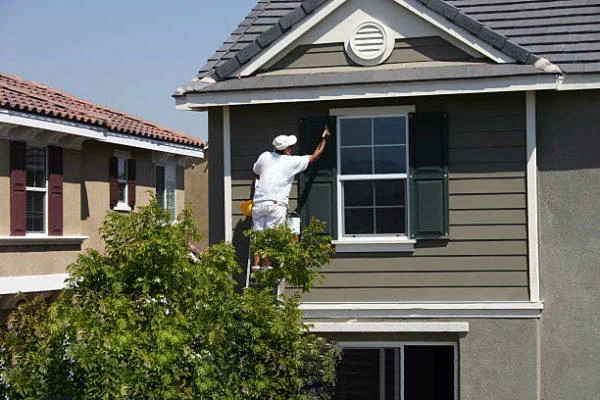
Good paint must fight harsh weather. Paint with strong weather resistance keeps the wall safe from rain and heat. It stops cracks and peeling. The surface stays firm and smooth. Paint with strong resin lasts longer and stays bright. This shows true durability and saves the cost of repainting often. The paint moves with the wall when the weather changes. It does not break or flake. This helps stop water from entering small gaps. A strong coat gives solid cover and keeps the wall safe for a long time.
Color Retention and Finish Types
Sunlight can fade cheap paint fast. Paint with UV blockers keeps color fresh and clean. This helps color retention and gives the wall a bright look all year. The color stays strong even after hot summers or cold winters. Satin and semi-gloss paints are best for outdoor use. They stop dirt and water from sticking to the wall. Flat paint looks nice, but wears out faster under sunlight and rain. The right finish keeps the wall neat and easy to wash.

Simple Preparation for Better Results
Clean the wall well before painting. Remove dust and old flakes. Fill cracks and let it dry. This makes the coat grip better and last longer. When paint is applied to a clean wall, it shines better and protects more. Strong exterior paint means less repair work and more peace of mind. It helps every building stay solid and look great through every season. Understanding interior vs exterior commercial painting helps you choose the right paint for each surface and get lasting results.
Key differences between interior and exterior paints
Interior wall paint and exterior paint are not the same. Each type fits its own job and place. Know these basics to choose well and get steady results.
What are they made of?
Interior paint has a lighter mix for smooth walls. It gives a clean, soft look. Exterior paint is thicker with more resin. That resin helps it flex without cracks. It grips tight and faces rain and sun. Each blend is built to last in its setting.
Durability
Heat and moisture test every coat. Exterior paint is built for all seasons. It stands strong against cracks and peeling, and fading. Interior paint also handles heavy scuffs and stains. It cleans easy and keeps color in rooms. Each one is tough in its own way.
VOC levels and finish options
Indoor air quality matters in every space. Interior paint often has low VOC to keep the air clean. Exterior paint may have more VOC to resist weather and light. That gap lets each type perform well. Finishes also differ by use. Interior paint gives a gentle shine and smooth color. Exterior paint forms a firm coat that sheds water and dust. Satin or semi-gloss works well outdoors for easy wash and long life. Pick the right type and finish to save time and keep surfaces fresh.
Why These Differences Matters
Choosing paint is more than color or gloss. It sets how long your building looks new and how much care it needs. Paint that fits the job will protect the surface better. It also helps you avoid early repairs. When you use the right paint inside or outside, you prevent common problems. Interior paint made for walls stays clean and bright under lights. Exterior paint made for harsh weather does not peel or fade fast. Understanding interior vs exterior commercial painting helps you make better choices for every project and keeps your property strong for years.
The wrong paint can crack or bubble within months and cause costly touch-ups. Proper paint means better durability and smooth walls that last through years of use. Paint also affects long-term maintenance. Good paint lowers the need for frequent work and cleaning. Exterior paint with strong binders stands up to rain and sunlight. Interior paint with a smooth finish wipes clean without leaving marks. These small details help reduce effort and save money. Each coat works like a shield against daily wear and changing weather.
Color retention is another reason the difference matters. Exterior paint with UV blockers keeps color fresh under strong sun. It keeps your building bright and inviting to customers and visitors. Choosing the right interior paint color helps keep tone steady under lights and resists dulling over time. This helps your space stay neat and welcoming. The right paint also protects your investment. It guards the walls from moisture and heat. It keeps surfaces solid and reduces early damage.
A neat paint job shows care and professionalism. It creates a strong image and lifts property value. Your paint choice guides how the building looks and performs for years. The right type reduces repairs and delivers steady results. A good product saves time and money while keeping spaces bright and strong.
Best Practices for Commercial Painting Projects
Painting a commercial space needs more than a brush and bucket. It needs planning, skill, and the right steps for long-lasting results. Following smart methods helps every coat stay smooth and strong.
Match Paint Type to Location
Each part of a building needs a paint made for its job. Interior paint works best indoors, where the air stays steady and clean. It gives a soft look and smooth finish. Exterior paint stands against heat, wind, and rain. It protects walls and keeps color bright. Matching paint to its location saves time and keeps surfaces in good shape.
Consider Traffic and Environment
Busy areas like hallways, lobbies, and workrooms need tougher paint. These spaces face constant touching, cleaning, and wear. Pick washable paint with strong resin for longer life. Outdoor walls need paint with high weather protection. This helps them face sunlight, dust, and water without peeling. Choosing based on traffic and weather gives true strength and value.
Surface Preparation for Strong Results
Good painting starts with clean and ready walls. Wash away dirt, grease, or old flakes before you paint. Fix cracks and fill gaps so the paint can stick well. Smooth surfaces give better surface preparation and longer-lasting coats. Paint bonds stronger when the wall is dry and even. A clean base keeps color steady and bright.
Correct Application Techniques
Using the right tools makes painting easier and neater. Brushes work well for detail and small edges. Rollers cover large areas faster. Sprayers help when painting wide outdoor walls. Apply thin and even coats and let each one dry before adding another. Follow the right application techniques for the paint you use. Taking time and care means fewer marks and smoother walls.
Commercial painting needs both skill and care. The right paint and good prep make walls stay clean and bright for years. A few simple steps protect your building and keep it looking strong and fresh.
Conclusion
Painting a commercial building is more than choosing nice colors. It decides how long the walls stay strong, clean, and bright. The right paint protects the structure and adds real value. A poor choice fades fast and leads to more repair work. Knowing how each paint works helps you make better choices. Interior paint gives a smooth color and a clean look inside. Exterior paint faces strong sun and rain. These details affect lifespan.
Always choose durability first. Strong paint stands up to heat and daily use. It keeps walls fresh for many years. Good paint also cuts down on upkeep. Simple care gives better long-term maintenance and saves money over time. Understanding interior vs exterior commercial painting helps you choose the right type of paint for each space. Color also matters for mood and style. Paint with good color retention keeps walls bright and warm. It helps your place look fresh for many seasons. A bright wall can lift how people feel inside and give a good impression.
Before painting, clean and fix every wall. Choose paint made for the space and let it dry well. A little care before painting makes the coat last longer and stay smooth. Your property deserves care that lasts. Smart choices today mean fewer problems later. Plan your commercial painting project with Rock Star Painting to maximize durability and beauty. The right paint keeps your space strong, fresh, and welcoming for years.
FAQs
No. Interior paint is for rooms. Outside, it fades fast without UV and moisture protection. Use exterior paint for sun, rain, and temperature swings.
Wash walls yearly with mild soap and water. Fix small cracks early. Trim plants for airflow. Repaint every five to eight years based on exposure.
Choose satin or semi-gloss for halls and offices. They resist marks and clean easily. Use eggshell for moderate traffic. Flat-suit ceilings and low-touch areas.
VOCs are released while the paint dries and can irritate the eyes or throat. Pick low-VOC paint. Open windows and run fans for fresher indoor air.