


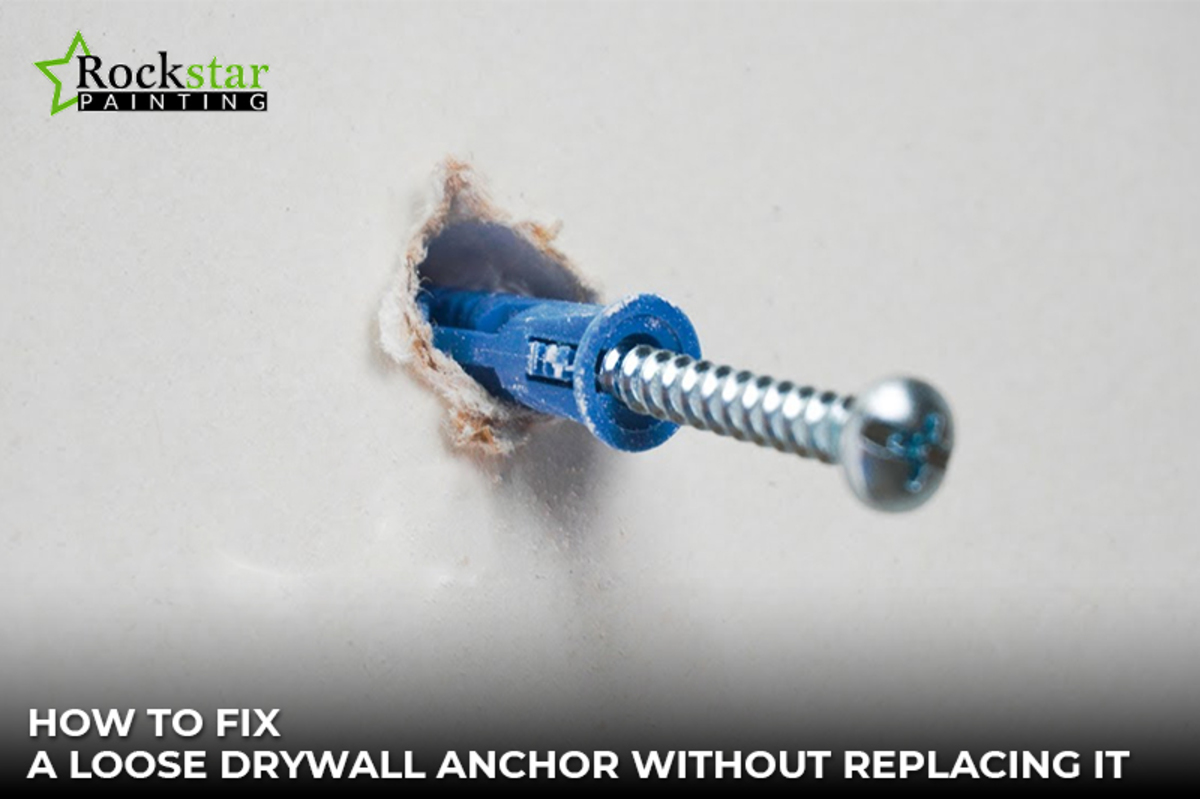
Shelves falling or frames tilting could be a sign of a loose drywall anchor. These anchors can shift due to poor installation, excess weight, or normal wall wear. The good news? You don’t have to replace the wall. Repairing and reusing drywall anchors requires the right steps and tools. This guide shows how to fix loose drywall anchor issues effectively, using proven methods to strengthen your wall and keep everything secure.
What Is a Drywall Anchor and Why Does It Matter
Drywall anchors let you mount items without hitting wall studs. They spread the load gently. This keeps the drywall from cracking or ripping apart. When placed right, anchors offer firm, long-term support. They work well for mounting shelves, frames, and more.
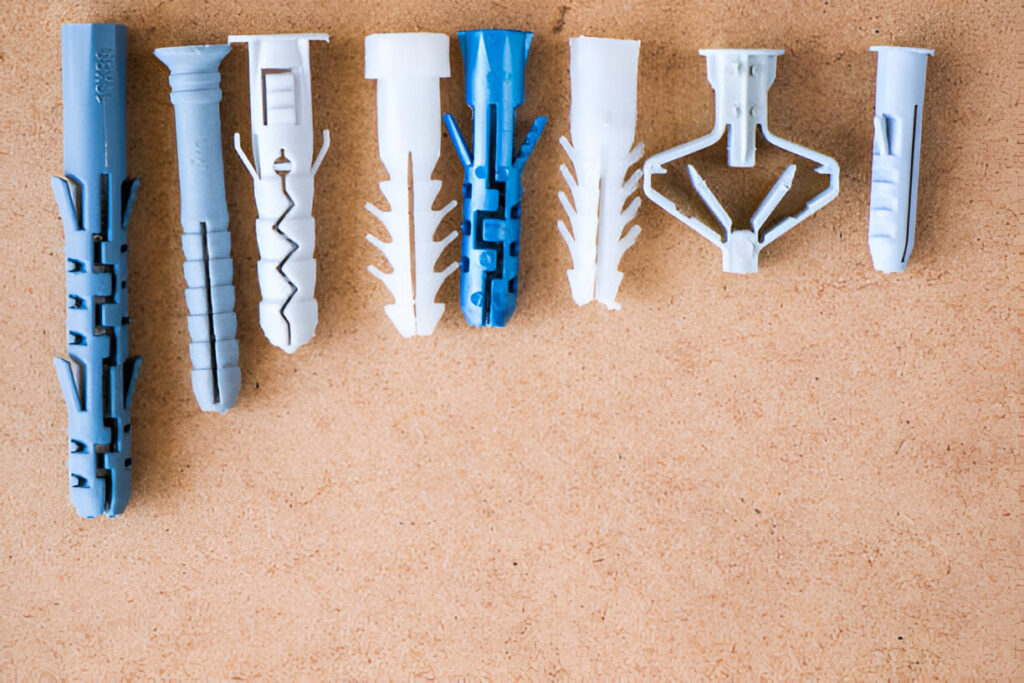
Common Types of Drywall Anchors
- Plastic Expansion Anchors: Simple and low-cost, good for light objects.
- Self-Drilling Anchors: Screw straight in, ideal for medium loads.
- Toggle Bolts: Strong options for heavy shelves or TV mounts.
- Molly Bolts: Reliable and sometimes reusable, depending on installation.
Selecting the ideal type based on wall thickness and item weight is essential. If used wrong, anchors may spin, fall out, or damage the wall surface.
Why Drywall Anchors Fail: Root Causes Explained

To fix the problem, you need to understand it. Here’s why anchors fail:
- Overloaded Anchors: Every anchor has a weight limit.
- Wrong Anchor Type: Using plastic for heavy shelves? That’s a mistake.
- Improper Installation: Misaligned holes or incomplete insertion causes instability.
- Wall Conditions: Moist or crumbling drywall can’t hold anchors.
- Constant Vibration: Appliances or movement nearby can shake anchors loose.
Heavy weight, poor placement, or bad use causes drywall anchors to fail often. These failures make anchors pull out, creating common issues inside most homes. The FEMA Home Repair Guide lists bad installs and weight problems as key reasons. You can stop repeated failures by using the right fix method and better anchors.
Tools and Materials You’ll Need for Anchor Repair
Before you begin, gather the following:
- Wall repair patch kit
- Spackle or joint compound
- Putty knife
- Drill and drill bits
- Utility knife
- Replacement or reusable drywall anchors
- Toothpicks or wood glue (for makeshift fixes)
- Screwdriver (manual or electric)
A solid repair starts with the right tools. Don’t compromise on this step.
How to Fix a Loose Drywall Anchor Without Replacing It

Let’s dive into the exact process.
Step 1: Remove the Loose Anchor
Gently unscrew and remove the anchor. Avoid enlarging the hole.
Step 2: Evaluate the Hole
Is it just loose or fully stripped? This determines your next move.
Step 3: Tighten with Filler
Fill small gaps using toothpicks and wood glue. Let it dry fully.
Step 4: Patch for Stability
Use spackle to fill the hole partially. Let it dry, then redrill.
Step 5: Reinsert the Anchor
Place the original or new reusable anchor back. Avoid overtightening.
Step 6: Test the Grip
Pull gently to test resistance. If it spins, repeat steps 3–5.
According to the CPSC Home DIY Tips, using high-quality repair materials and following proper procedures helps ensure the anchor holds firmly after reinsertion.
Fixing a Stripped or Damaged Anchor Hole
If the anchor yanks the drywall loose or rotates uncontrollably, it’s stripped.
- Use a wall patch or mesh plate to cover the damage.
- Apply the compound and smooth it flat.
- Sand and redrill after drying.
- Insert a new heavy-duty anchor.
This fixes stripped drywall hole issues permanently.

Drywall Patch Techniques for Anchor Holes
Small anchor holes may only need spackle. Larger ones require full patches.
- Spackle Method: Ideal for holes under 1/4 inch. Apply, let dry, sand, and paint.
- Patch Kit: For larger holes. Mesh and compound ensure durability.
- Drywall Plug: Cut and install new drywall if the section is too weak.
Always choose the method that fits the hole size and anchor type.
When to Use Reusable Drywall Anchors
Not all anchors are single-use. Many modern designs allow reuse.
- Threaded Anchors: Can be removed and reused with care.
- Molly Bolts: Sometimes reusable if not over-tightened.
- Toggle Bolts: Generally not reusable due to collapsing mechanism.
These work well for temporary arrangements and regular wall adjustments.
Mistakes to Avoid When Repairing Drywall Anchors
Avoiding these can save you time and frustration:
- Never use oversized anchors.
- Do not skip the curing time for the compound.
- Never use anchors near edges.
- Do not over-tighten screws.
- Do not reuse damaged holes without reinforcement.
Best Products and Repair Kits for Anchor Fixes

Recommended Spackles:
- DAP DryDex Spackling
- 3M High Strength Small Hole Repair
Patch Kits:
- Red Devil Drywall Patch Kit
- Homax Wall Patch Kit
Anchors:
- E-Z Ancor Toggle Kit
- Qualihome Ribbed Anchors
Choose based on hole size, weight, and reusability.
Drywall Anchor Maintenance: How to Prevent Future Issues
Prevent anchor issues with these tips:

- Check anchors quarterly
- Avoid humid conditions
- Never hang heavy loads on small anchors
- Install into studs when possible
- Seal cracks immediately to prevent moisture damage
When to Call a Professional
DIY is great, but here’s when you should stop:
- Crumbling or moist drywall
- Repeated anchor failures
- Heavy items like TVs or cabinets
Need expert drywall repair? Let our team help you fix it right.
Conclusion
Learning how to fix loose drywall anchor problems is not hard. It just takes the right tools and steps. With careful attention and reusable products, you can secure your walls and safely hang decor or shelves. For persistent or complex issues, always turn to a professional. Let your walls support more with confidence. No more wobbles. No more anchor surprises.