


There are moments when a single screw can bring down an entire plan. That moment happened to Kevin. He had just returned from the hardware store, proud of his new floating shelves. Within an hour, he stood looking at a gaping hole in his drywall and a cracked shelf on the floor. Why? He didn’t know how to use a drywall anchor. Let’s make sure that never happens to you. This guide isn’t just theory. It’s the real deal fully loaded walkthrough to help you anchor securely and avoid becoming a Kevin.
Understanding Drywall Anchors and Their Importance
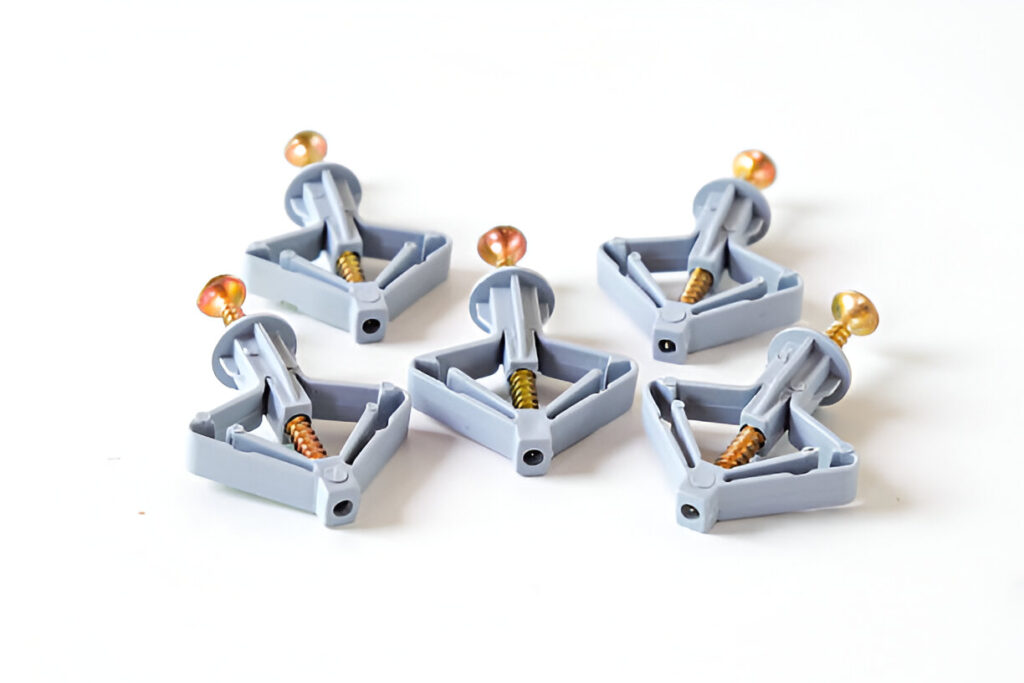
It might cover the walls of your home. However, it has the gripping power of soggy toast. The material is thin and crumbly. It is also prone to crumbling under pressure. Attempt to insert a screw, and it rips apart like paper. That’s why drywall anchors exist. They’re not just accessories. They are reinforcements.
How Drywall Anchors Work
A drywall anchor distributes the load of a screw over a wider surface area. Instead of relying on soft gypsum to hold up your art, curtain rods, or shelving, the anchor grips the inside of the wall and holds tight.
Some expand. Some toggle. However, some drill themselves into place. All of them aim to do one thing: prevent your belongings from taking a nosedive.
When You Need Anchors
If you’re hanging on drywall without studs, which happens more than we admit, anchors are your best friend. From hanging mirrors to securing towel bars, you’ll need the right anchor when there’s no stud in sight.
Drywall Anchor Types Explained: Choosing the Right One
Let’s do away with guesswork. Here’s the real breakdown.
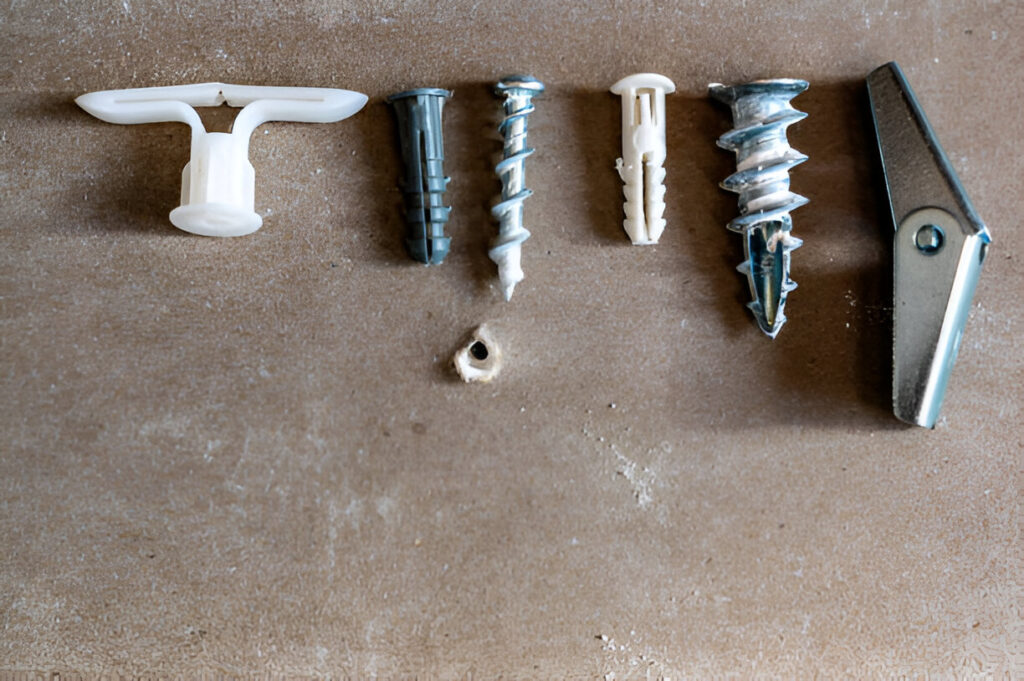
Plastic Expansion Anchors
These are your everyday lightweight soldiers. Slide them in, twist a screw, and they expand to fill the hole. But don’t ask them to hold more than 15 pounds.
Use case: picture frames, calendars, tiny wall clocks.
Self-Drilling Anchors
Also called threaded anchors, these burrow into the wall without needing a pre-drilled hole. They’re aggressive and convenient.
Use case: wall-mounted soap holders, light racks, and framed artwork.
Toggle Bolts
Think of these as wall anchors on steroids. Once inserted, their metal wings spring open behind the wall, locking in place like a bear trap.
Use case: heavy shelves, curtain rods, mounted TVs (if you’re brave).
Molly Bolts
They look harmless, but they’re tough. Slide one in, and as the screw tightens, the casing expands behind the wall into a strong, secure hold.
Use case: mirrors, coat racks, medium-weight fixtures.
Specialty Anchors
You will find strap toggles, snap toggles, and zinc anchors for denser materials like brick or concrete. These are niche tools but game changers when used properly.
Use case: anything that isn’t drywall or needs serious support.
How to Use a Drywall Anchor: Step-by-Step Installation Guide
Step 1: Choose the Proper Anchor
This is not the time to play Eeny-Meeny-Miny-Moe. Match the anchor to your wall type and load requirement.
| Load Weight | Recommended Anchor |
| 0–15 lbs | Plastic expansion |
| 15–50 lbs | Self-drilling/threaded |
| 50+ lbs | Toggle bolts, molly bolts |
Step 2: Mark and Drill the Hole
Grab your pencil, level, and tape measure. Mark where your anchor should go. Drill a pilot hole that matches the anchor’s size. If it’s a self-drilling anchor, skip the hole and screw it straight in.
Step 3: Insert the Anchor
This is where people panic. Carefully tap the anchor into the hole until it’s perfectly flush. For toggle bolts, push the wings through the wall and let them snap open.
Step 4: Drive the Screw
Screw into the anchor slowly. If you meet resistance, pause. Stripping the anchor makes it useless. Stop when the item feels firm.
Step 5: Confirm the Hold
Don’t test it by yanking. Instead, press firmly. If the fixture wiggles or feels loose, start over. Your wall’s pride depends on it.
Pro Tips to Get the Most Out of Wall Anchors
- Always read the anchor packaging. Weight ratings exist for a reason.
- When in doubt, drill a pilot hole. It increases precision.
- Avoid reusing holes. If an anchor pulls out, patch it and move over a few inches.
- Never over-tighten. It ruins the integrity of the anchor.
Common Mistakes to Avoid When Using Drywall Anchors
Using the Wrong Anchor
Hanging a 60-pound mirror with a plastic anchor is as effective as securing a boat with a string. Do not do it.
Wrong Hole Size
Too small, and the anchor breaks. If it is oversized, it gets covered in drywall dust. Always check the anchor’s size guide.
Using Anchors in the Wrong Wall Material
Drywall anchors are not for concrete or brick. Masonry anchors exist for a reason. Select the good gadget for the task at hand.
Reusing or Spinning Anchors
If an anchor turns as you screw into it, it’s stripped. Remove, patch, and redo. Reused anchors are the ghosts of failed mounts.
Drywall Anchor Load Chart (Weight Limits)
| Anchor Type | Load Limit | Ideal Use |
| Plastic Expansion | 10–20 lbs | Light decor, hooks |
| Self-Drilling | 25–50 lbs | Photos, small shelves |
| Molly Bolts | 30–75 lbs | Mirrors, coat racks |
| Toggle Bolts | 50–100+ lbs | Wall-mounted cabinets, heavy frames |
When to Call a Pro for Drywall Repair
If you’ve drilled 12 holes and none work, call in a specialist.
Signs you need help:
- The wall is crumbling or flaking
- Anchors won’t grip
- The anchor ripped out a chunk of drywall
- Your install item is over 100 lbs
Need Fixes After a Mounting Disaster?
Let Rockstar Painting help. Our expert team can patch drywall holes, reinforce anchor spots, and restore wall integrity fast. Whether you’re dealing with a botched installation or anchor damage, we’ve got you covered. Book your professional drywall repair service today and bring your walls back to flawless condition quick, clean, and guaranteed.
Conclusion
Drywall anchors are a small thing with a big job. When used right, they turn hollow walls into secure platforms for your frames, shelves, racks, and dreams. Learning how to use a drywall anchor correctly ensures you never second-guess a mount again. No more guesswork. No more holes that mock you. Just straight-up, rock-solid results. You are ready now. So grab that drill, pick your anchor, and mount like a professional.
FAQs
Not really. Most are one-and-done. Molly bolts and toggle bolts might survive if you remove them carefully. But do you want to risk your shelf for a reused $0.40 anchor?
Yes! But only toggle bolts or strap toggles, and the wall must be in excellent shape. If not, mount to studs or call a professional.
Toggle bolts win here. Some rated for 100+ lbs. hey secure themselves behind the wall, laughing in defiance of gravity.
Nope. Self-drilling anchors save you a step. But for toggle bolts or molly bolts? Yes, you need a drill.
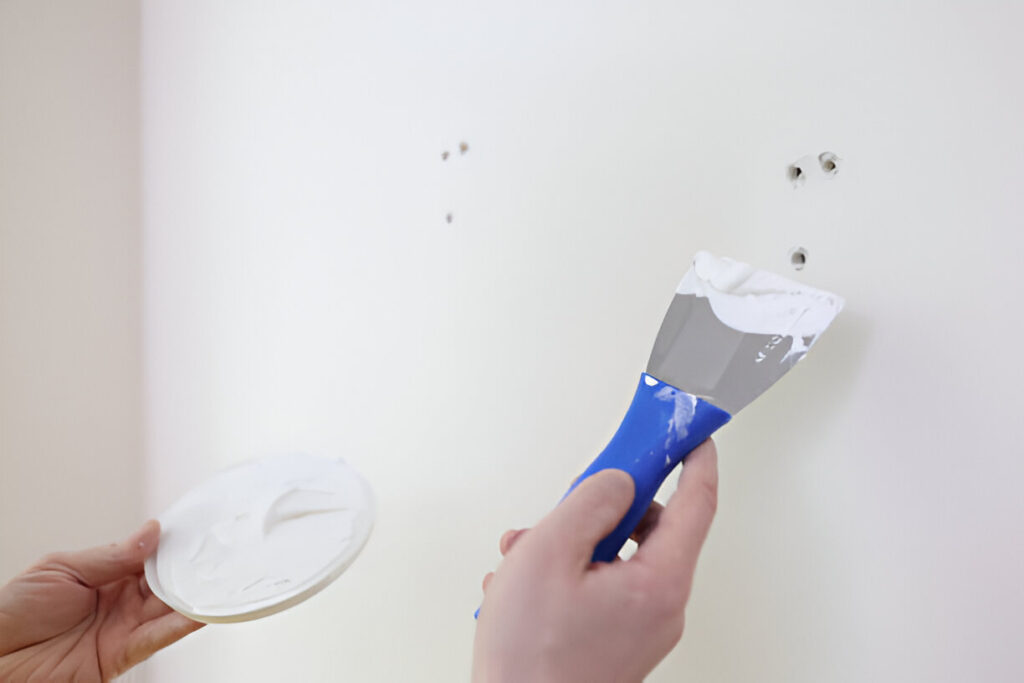
That anchor’s dead. Patch the hole with joint compound, sand, repaint, and redrill nearby. Don’t force it.